Ayurvedic Treatments
Dhanyamla Dhara
A warm, sour liquid fermented from grains and herbs is poured over the body in a continuous stream.
Dhanyamla Dhara
Dhanyamla Dhara is a pouring therapy from the Kerala tradition. Dhanya means grain and amla means sour: the liquid is a thin, tangy preparation made by fermenting cereals with herbs and citrus over several days. It is warmed and poured over the body in an unbroken stream, usually by therapists working on both sides of the table at the same pace.
In Ayurveda the preparation is described as warm and light in quality. It is traditionally used when the practitioner considers Kapha and Vata to be raised, which the tradition links with a body that feels heavy, dull and stiff. Because it uses no heavy oil, it is often chosen in place of oil pouring for people who feel weighed down by oil.
At 22 Ayur the therapy is given by trained Ayurvedic therapists, and the practitioner asks about your health first. What you will notice is steady moving warmth, a sour, earthy smell and the sound of the liquid running off the table. The liquid is rinsed off afterwards. It is a traditional therapy and does not replace medical care for any condition.
Key Benefits
A warm, continuous stream over the whole body
Traditionally chosen when Ayurveda considers Kapha and Vata to be raised
A lighter alternative to oil pouring
People usually book it when the body feels heavy and stiff
Leaves the skin feeling clean, not oily
What happens during Dhanyamla Dhara
- 1
A short conversation
The practitioner asks what brings you in, how your skin reacts to sour or fermented things, and whether you have a diagnosis or take medication. This decides whether the therapy suits you on the day.
- 2
Getting ready
You change and lie on the treatment table. In some plans a thin layer of oil is applied first. The Dhanyamla is warmed and tested before it touches you.
- 3
The pouring
The therapists pour the liquid from small vessels held a little above the body, moving along the limbs, back and front in turn. The liquid that runs off is collected, rewarmed and poured again so the temperature stays even.
- 4
Wiping down and rest
The pouring stops, the skin is wiped dry with a warm towel and you rest quietly, lying down, for a few minutes before you dress.
Who usually books it
- People whose body feels heavy and stiff, especially after long sedentary weeks
- Guests who find oil therapies too rich in humid weather
- Anyone following a course in which the practitioner has included a dhara
- People who like steady warmth more than hand pressure
Often chosen for
Our practitioners draw on Dhanyamla Dhara in plans for these concerns. Each page explains the approach and what it can and cannot do.
When to wait or ask first
- Fever, a cold or an upset stomach on the day
- Open cuts, grazes, a rash or freshly shaved skin: the sour liquid will sting
- Pregnancy: ask the practitioner before booking
- If heat makes you feel faint, or you are under a doctor's care for your heart, tell us first
Oils and herbs
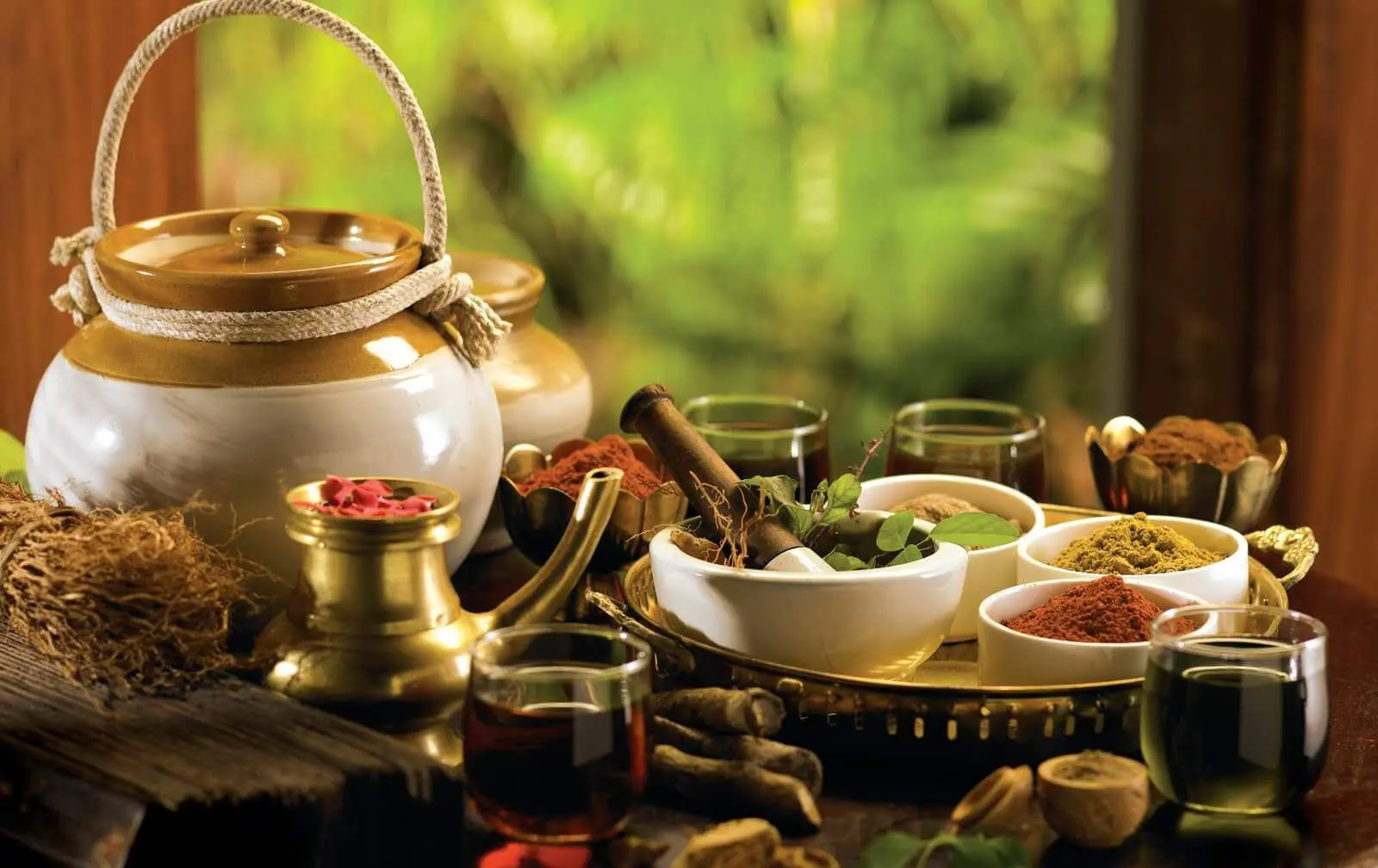
Dhanyamla is traditionally fermented from rice, horse gram and millet with dried ginger, lemon and other herbs, kept in a closed vessel for about a week. In Kerala it is also called Veppu Kadi. The same liquid is used in Ayurveda for mixing herbal pastes.
After your session
- Rinse with warm water once the body has settled; avoid a cold shower
- Keep out of strong air conditioning for an hour or two
- Eat a light, warm meal and drink warm water
- Use a little plain oil or moisturiser if your skin feels dry later
How often
Traditionally it is taken as a course on consecutive days, commonly seven or fourteen, as part of a practitioner's plan. Single sessions are possible. The practitioner will suggest what fits after seeing you.
Frequently Asked Questions
Yes, a little. The liquid is fermented, so it has a sour, earthy smell, close to vinegar and rice water. Most guests stop noticing it after a few minutes, and it rinses off with warm water.
The method is similar, but Pizhichil uses medicated oil and feels rich and heavy. Dhanyamla is thin, sour and light, and leaves no oily film. Which one is right is the practitioner's call.
No, and we would not describe it that way. Ayurveda traditionally uses it when Kapha is considered raised, but it is not a way to lose weight and does not replace diet, exercise or medical advice.
The therapist will tell you how to change for the session. Come in loose, older clothes, as a faint sour smell can cling to fabric. Remove jewellery, since the sour liquid can dull some metals.
Have a question we have not covered? Send it to the front desk.