
4 Treatments
Relax & Rejuvenate
Traditional Kerala oil and powder therapies, taken for rest and comfort.
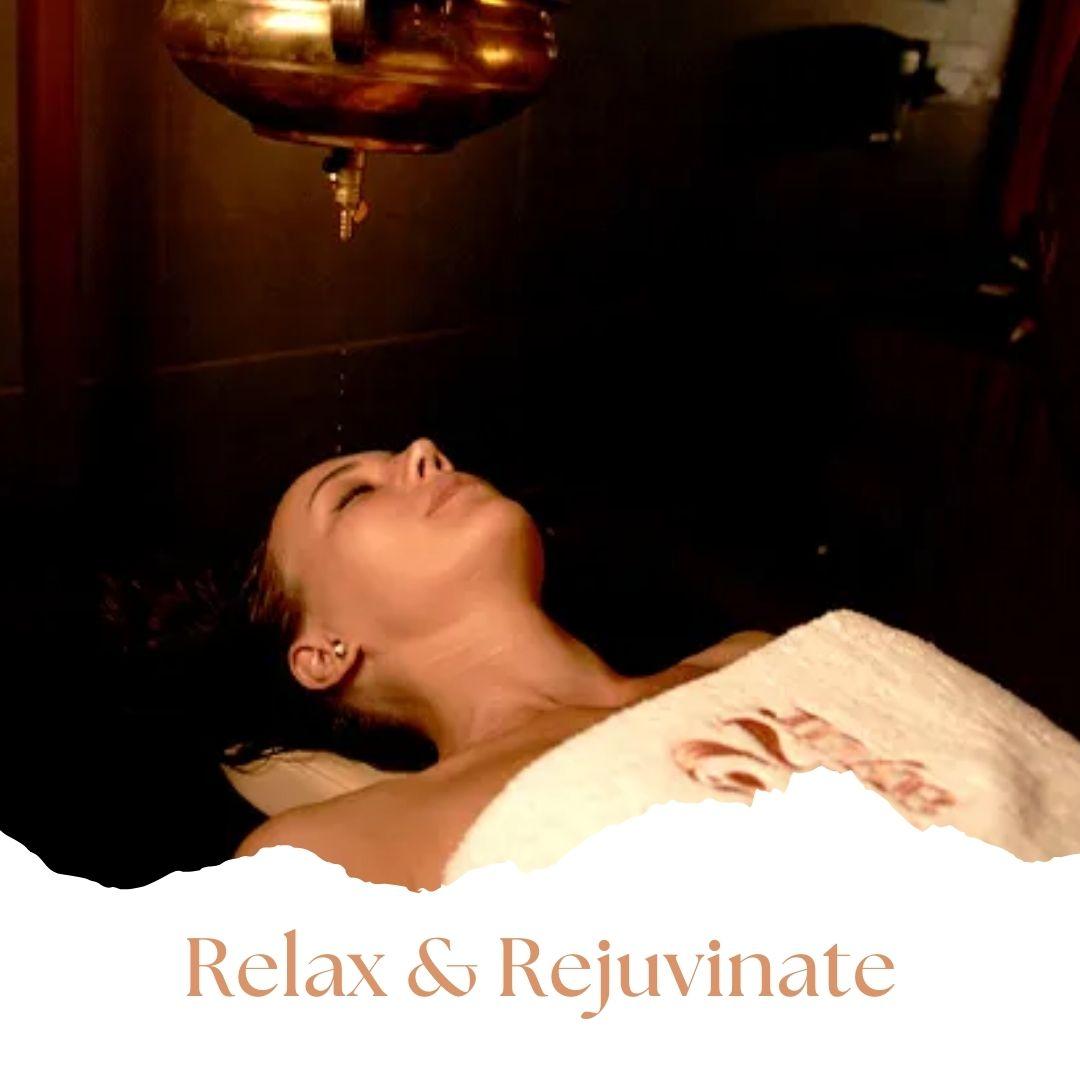
Relax & Rejuvenate is the group of classical Kerala body therapies at 22 Ayur, an Ayurvedic clinic in Jumeirah, Dubai. It includes Shirodhara, Abhyangam with Scrub, Pizhichil and Udvarthanam, given with warm herbal oil or dry herbal powder. People tend to choose these treatments when they want a full, unhurried session for rest, as a single visit or as a course planned with the practitioner.
What we offer in Relax & Rejuvenate
Ayurveda consultations at 22 Ayur are with Dr Thasni, the clinic’s medical director, who is licensed by the Dubai Health Authority as an Ayurveda Practitioner. The therapies listed under Relax & Rejuvenate are traditional, supportive care and do not replace the advice of your doctor. This page on Relax & Rejuvenate was written by the 22 Ayur clinic team, published and last updated . How we review content.
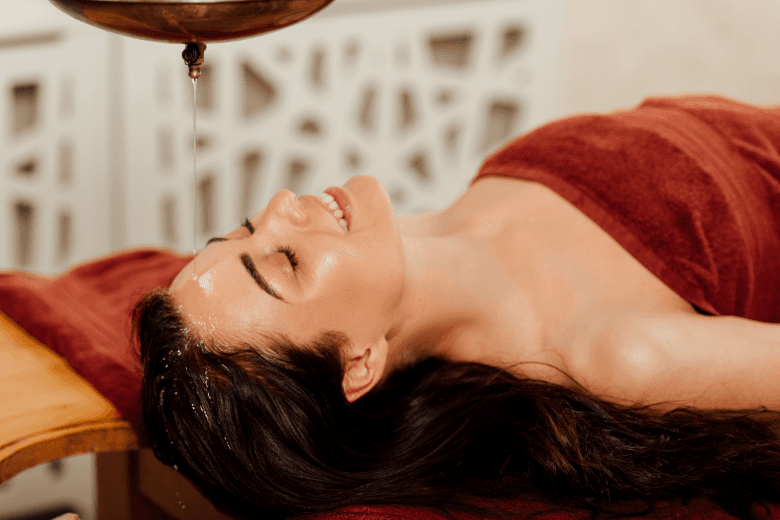
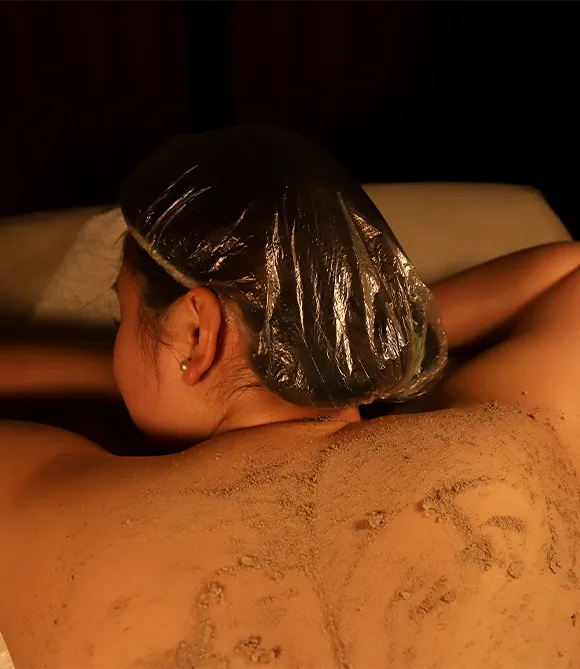
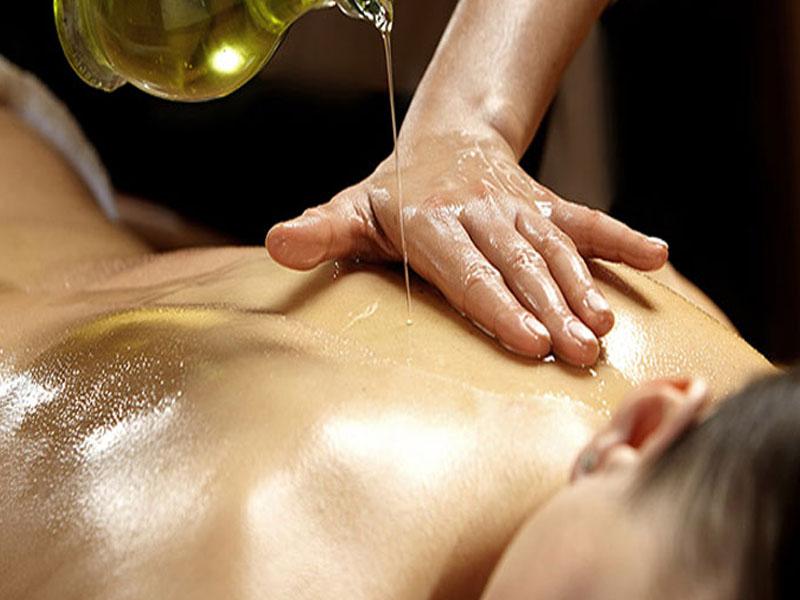
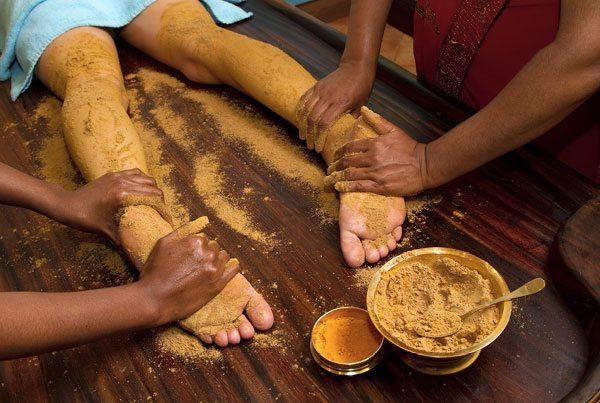
Relax & Rejuvenate gathers four classical therapies from the Kerala tradition of Ayurveda. Three of them use warm herbal oil. In Shirodhara a steady stream is poured over the forehead. Abhyangam with Scrub is a full body massage followed by a herbal scrub. In Pizhichil the oil is poured over the whole body below the neck. The fourth, Udvarthanam, is a dry massage with herbal powder. The WHO benchmarks for the practice of Ayurveda list each of them: abhyanga is massage with oil, udvartana is massage with herbal powders, shirodhara is liquid poured on the head, and pizhichil is medicated oil poured over the whole body with gentle massage.
At 22 Ayur these therapies are given by trained Ayurvedic therapists, and the practitioner chooses the oil or powder after asking about your health. People take them for rest and comfort. They are supportive care and do not replace medical treatment, so tell us about any condition or medicine before you book. Appointments run from Tuesday to Sunday at our clinic in Jumeirah.
Which of the four should you choose?
Begin with what you would like to feel. Abhyangam with Scrub is the therapy our guests book more than any other and the usual first choice: long, rhythmic strokes with moderate pressure, then a scrub that lifts the excess oil. Shirodhara involves no pressure at all and is traditionally used to settle a busy mind, so people who find it hard to switch off often pick it. Pizhichil is continuous warmth with very little pressure, and it is usually recommended by the practitioner. Udvarthanam is brisk and warming, an alternative for guests who do not enjoy heavy oil. Abhyangam is not given in pregnancy: book the Prenatal Massage, which is adapted for it.
How to prepare for an oil therapy
Avoid a heavy meal in the two hours before your appointment, and arrive about ten minutes early for Shirodhara. Wear loose clothes that you do not mind a little oil on. After Shirodhara the oil will be in your hair, so bring a scarf or cap and plan to wash it out later with a mild shampoo. After any of the oil therapies, keep warm, stay out of strong air conditioning for an hour or two and eat something light. Leave hard exercise for the next day. Before Udvarthanam, do not shave or wax on the same day, because the strokes are firm and the skin may feel tender.
- Ayurvedic massage in Dubai: Abhyangam and Kizhi
- Abhyanga at home: how to do an Ayurvedic self massage
- Stress and restless sleep: the Ayurvedic approach
Frequently asked questions
Yes. Shirodhara is classically taken on three, five or seven consecutive days, and Pizhichil as seven, fourteen or twenty one daily sessions under a practitioner's guidance. Single sessions of both are also possible. Many guests come for Abhyangam weekly or fortnightly. The practitioner will suggest what fits your reason for coming.
No. Abhyangam uses much more oil, applied warm, with long continuous strokes and moderate, even pressure. It has no stretching and no deep point work. The aim is warmth, rhythm and oil, not force. Tell the therapist about sore areas and the pressure you like before the massage begins.
On its own it is a massage, not a weight loss method. Udvarthanam has long been part of Ayurvedic weight management plans, alongside diet and movement, and within such a plan it is commonly given as a course of seven to fourteen sessions. Results differ from person to person.
Sources
- WHO benchmarks for the practice of Ayurveda. World Health Organization, 2022.