How to Balance Excessive Vata: Symptoms, Causes, and Balance
How do you remove excess Vata from the body?
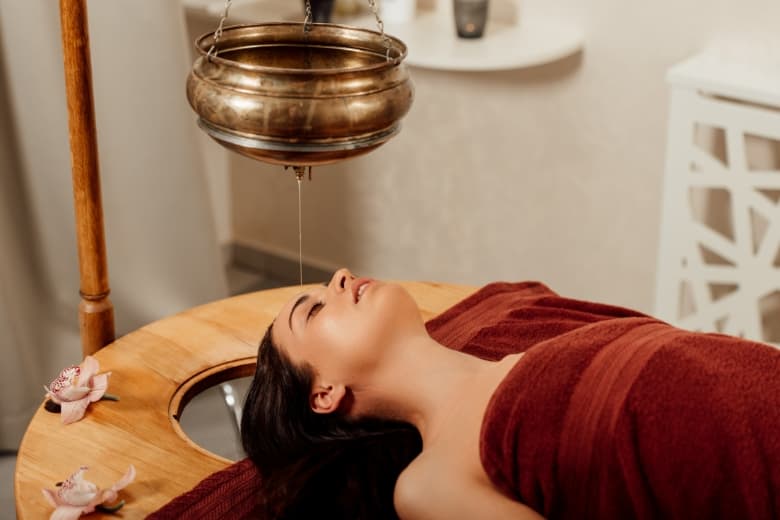
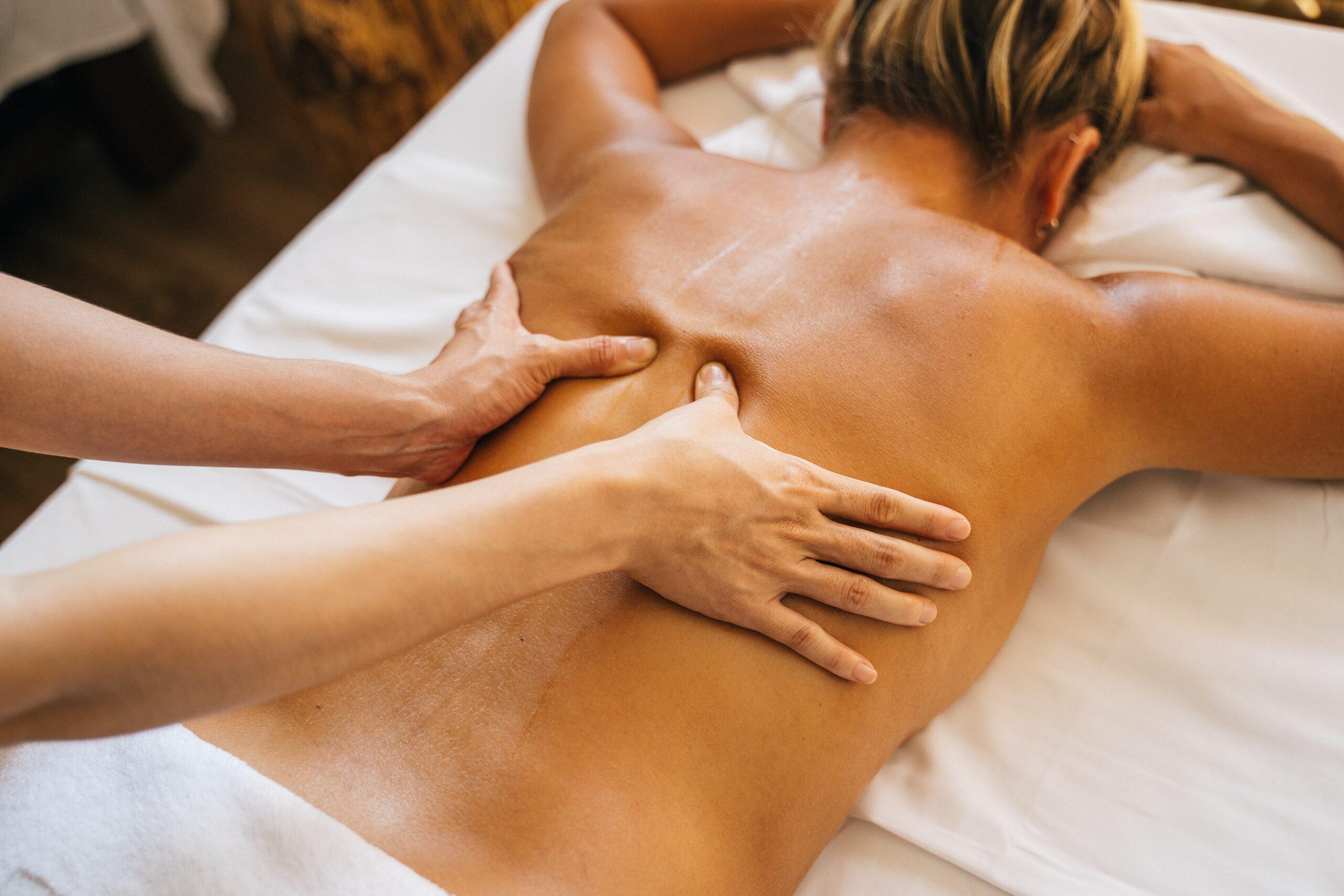
In Ayurveda, excess Vata is traditionally settled with warmth, oil and routine, and not removed in one step. The classical advice is warm cooked food at regular times, steady sleep hours, and warm oil massage such as Abhyangam. Therapies traditionally chosen when Vata is raised include Shirodhara and Pizhichil. At 22 Ayur in Jumeirah, Dubai, the Ayurvedic doctor assesses your constitution first and recommends what fits.
Ayurveda says that every individual has three energies inside their body. There are three doshas, each regulating different aspects of your life: mind, body, and even the diseases you could develop or the diet you need to follow. Vata is one of the doshas that govern the mind and body. It is light, and airy, and it manages body movements and related functions. This dosha governs your speech’s expression and your breath’s flow. Vata dosha is the motivating factor for the other two doshas, Pitta and Kapha. When the vata levels in the body get aggravated, it may lead to various health concerns ranging from chapped lips, dry skin, loss of appetite, constipation, weakness, etc., depending on the severity of the aggravation. 22 Ayur, an Ayurvedic clinic in Dubai, is here to discuss concerns about vata dosha and how to balance excess vata with a few comforting techniques.
Symptoms of Vata Dosha
Before discussing the remedies to manage vata dosha, let us now look at the symptoms that it will cause in our bodies.
- Dry lips, skin, hair, joints, and ears
- feeling restless and dizzy
- Dryness around the internal system leads to bloating, constipation, gas, weight loss, and dehydration.
- The roughness of skin and lips
- Muscle spasms, unusual pain, and constrictions
- Insomnia
- low weight and inability to gain weight
- The presence of excessive restlessness, anxiety, twitching of the muscles, palpitations, and agitation
Sometimes high vata may not be noticeable at first, but some of the above symptoms may crop up.
Causes of High Vata Levels
The following triggers may be the reason why your vata levels are so high:
- Extremely cold or dry weather
- The vata levels will be increased by eating cold food.
- Depletion of tissues
- Light and quick-to-digest foods will increase vata levels.
- an injury to one of the body’s vital parts.
- Excessive fasting, workouts, and other similar exercises for weight loss can increase vata.
- Cold weather increases vata in the skin, increasing its dryness.
- 22 Ayur, an Ayurvedic clinic in Dubai, recommends eating foods that dry up your mouth, skin, or stools as they increase dryness and aggravate Vata.
Herbs to Optimise Vata Levels
Some herbs have natural vata-optimising properties, like
Turmeric: This is a common kitchen ingredient that holds a lot of health significance and Ayurvedic benefits. In Ayurveda it is traditionally taken to support digestion and general well-being. Apart from this, it is traditionally used to help balance the vata in the body.
Ginger: Ginger in your food is traditionally used in Ayurveda for warmth and joint comfort. It is traditionally used to help balance vata levels in the body.
Brahmi: Brahmi is traditionally used in Ayurveda for calm and relaxation. It is traditionally used to support restful sleep and to help balance vata dosha. Many people find brahmi a soothing part of their daily routine.
Ashwagandha: 22 Ayur, Ayurvedic Clinic in Dubai recommends this herb to people for its variety of traditional uses. It is traditionally used in Ayurveda to support relaxation and restful sleep.
Remedies for reducing excess vata
- Ghee-cooked food: Ghee is traditionally used to balance excessive vata dosha and ease unpleasant dryness. Use ghee with warm chapati or rice and enjoy its nourishing qualities.
- Oil Massages: You can pamper dry skin and support joint comfort by treating it with an Ayurvedic massage every morning before bathing with a complete nourishment oil like Dhanwantharam Thailam. You can also massage your scalp twice-three times a week with warm Neelibringadi keram and let it sit for an hour or two before shampooing.
- Garlic: Suitable quantities of garlic can add taste and health to your meals. It helps in pacifying the vata levels. Try to add a teaspoon of garlic paste to your food.
- Moderate Exercise: The vata is associated with movement, so vigorous exercise can cause an imbalance. Instead, do moderate exercises that build strength and stability, such as weight-bearing exercises.
- Dairy products: Dairy products and sweets can be taken in moderation, which can help manage excess vata.
- Tea with Brahmi leaves: Herbal tea can be made with Brahmi leaves to balance Vata, and it is rich in antioxidants and is a good alternative to caffeine.
Wearing warm clothing, taking regular head and body baths, avoiding long-term fasting, and improving your sleep routine are all recommended activities to reduce vata. Regular grounding after a period of time can help you balance the energetic, flexible, and creative vata dosha so that you don’t get carried away by your passions. In Ayurveda, dosha imbalance is linked to many health concerns, so it is important to ground yourself regularly.
The 22 Ayur Ayurvedic clinic in Dubai provides a comprehensive and holistic approach to reducing Vata dosha and promoting overall well-being. Our approach combines traditional Ayurvedic wisdom with modern techniques and technologies to provide personalised treatments for each individual. Through a range of treatments, including herbal therapies, massage, meditation, and dietary adjustments, the centre aims to balance the body, mind, and spirit and reduce excess Vata energy. Additionally, our team of ayurvedic doctors in Dubai provides guidance and support to clients, so that they receive attentive care. With a commitment to quality, care, and tradition, the 22-Ayur Panchakarma Treatment in Dubai is a destination for individuals seeking to support their health and vitality.
“How to Balance Excessive Vata: Symptoms, Causes, and Balance” was written by the 22 Ayur clinic team and describes traditional practice, not medical advice; for advice on your own situation, an Ayurveda consultation at 22 Ayur is with Dr Thasni, the clinic’s medical director, who is licensed by the Dubai Health Authority as an Ayurveda Practitioner. How we review content.
Related care at 22 Ayur
- Abhyangam with Scrub
Full-body warm oil massage combined with herbal scrub for deep relaxation and skin renewal.
- Shirodhara
A continuous stream of warm herbal oil gently poured on the forehead to calm the mind and nervous system.
- Pizhichil
Warm herbal oil is poured in a continuous stream over the whole body while the therapists massage.