Cleanse & Energize
Panchakarma
Panchakarma is Ayurveda's classical cleansing programme, planned for you after a consultation and followed day by day by our Ayurvedic physicians.
Panchakarma
What is Panchakarma?
Panchakarma means five actions. It is the classical cleansing programme of Ayurveda. It runs in a set order. You prepare, you have the cleansing procedures, and then you recover. The old texts set this order out. At 22 Ayur a programme is planned after a consultation, and our Ayurvedic physicians follow it with you.
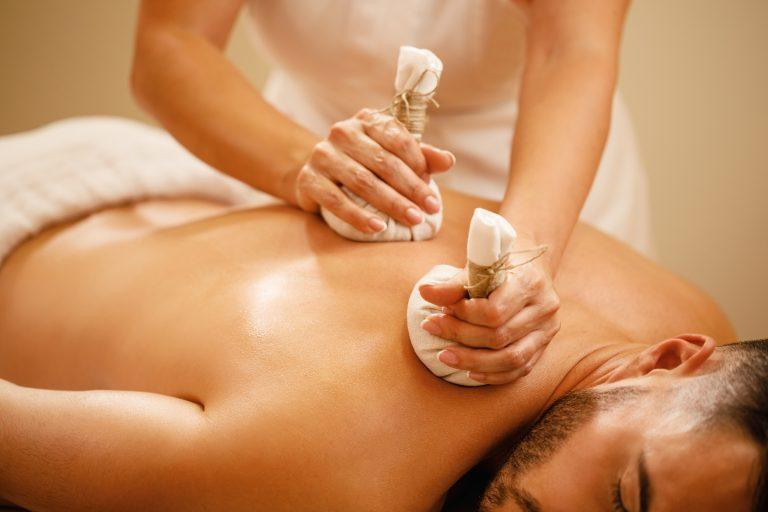
The programme has three phases. Purvakarma is the preparation. It uses oil massage (Abhyangam) and steam to ready the body. Pradhana Karma is the main phase, when the procedures chosen for you are given. The classical list has five. The physician decides at the consultation which of them your course includes. The choice rests on your constitution, your health and the time you have. Paschat Karma is the recovery phase. It brings you back to normal food and activity in steps.
Panchakarma is a medical programme in the Ayurvedic sense. It is not a spa package. You eat plain food, you rest, and you come in on the days set for you. It is complementary care and does not replace treatment from your doctor.
Where does Panchakarma come from?
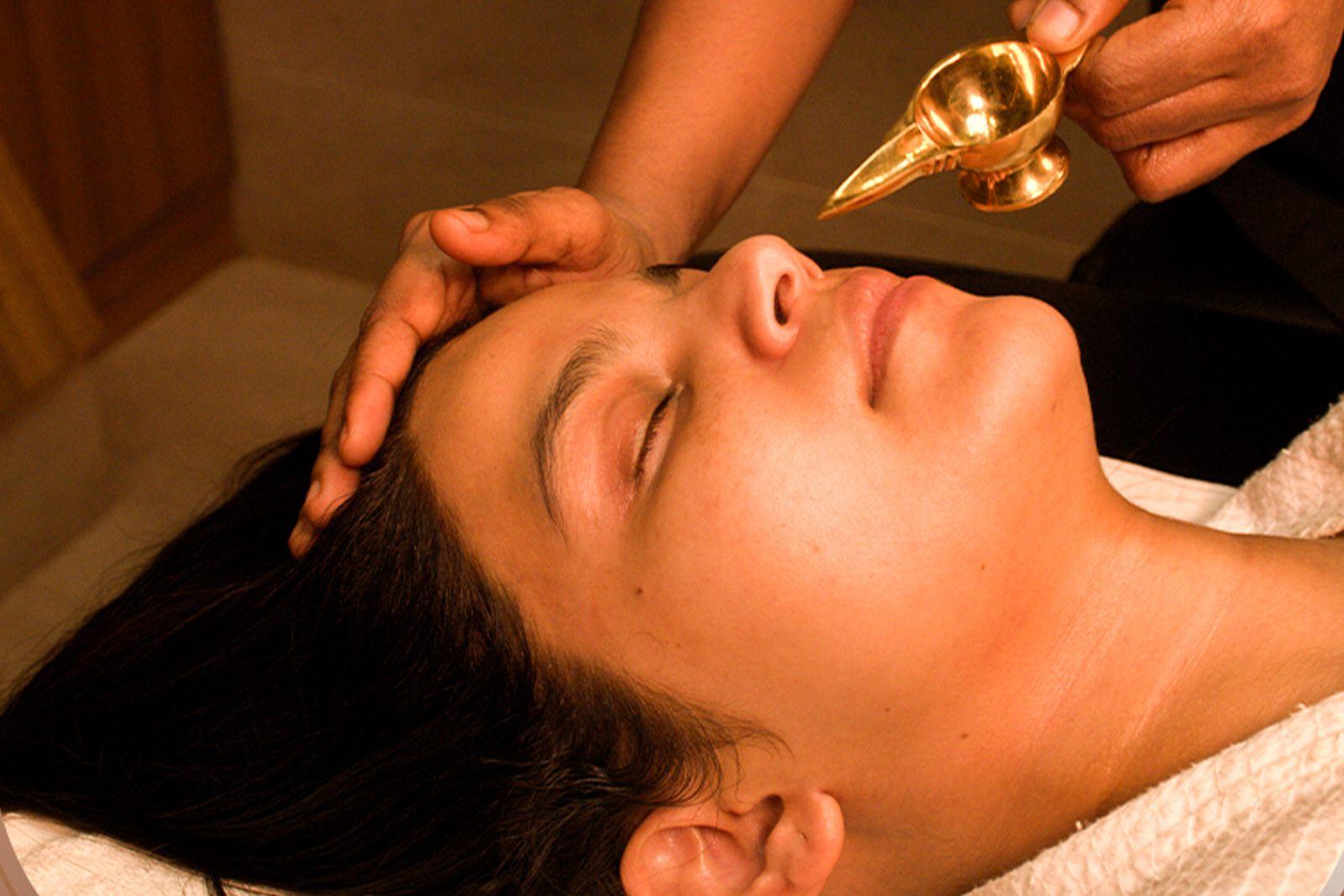
The WHO benchmarks for the practice of Ayurveda list Panchakarma as five procedures. They are induced vomiting (Vamana), purgation (Virechana), nasal medication (Nasyam) and two enemas (Vasti), one of decoction and one of oil. The same page describes bloodletting (Raktamokshana) as a cleansing method.
The order comes from the Charaka Samhita (Siddhisthana 1). Oil and sweating come first, then the cleansing, then food built up from thin gruel. Its next chapter (Siddhisthana 2) lists who is fit and unfit for each procedure. It tells the physician to judge by place, time and strength, and not follow the lists blindly.
We know of no randomised trial of Panchakarma that measured clinical outcomes. A 2009 observational study followed 20 women through a five day Panchakarma retreat. It found no significant change in quality of life, with some changes in self reported health behaviours. The study had no comparison group, and its authors called the results preliminary.
Key Benefits
A set programme planned around your constitution
A physician follows you from first visit to last
Preparation, procedures and recovery in the order the classical texts set out
Guidance on food and daily routine is part of it
Time is set aside for rest as well as for the therapies
What happens during Panchakarma?
- 1
Consultation
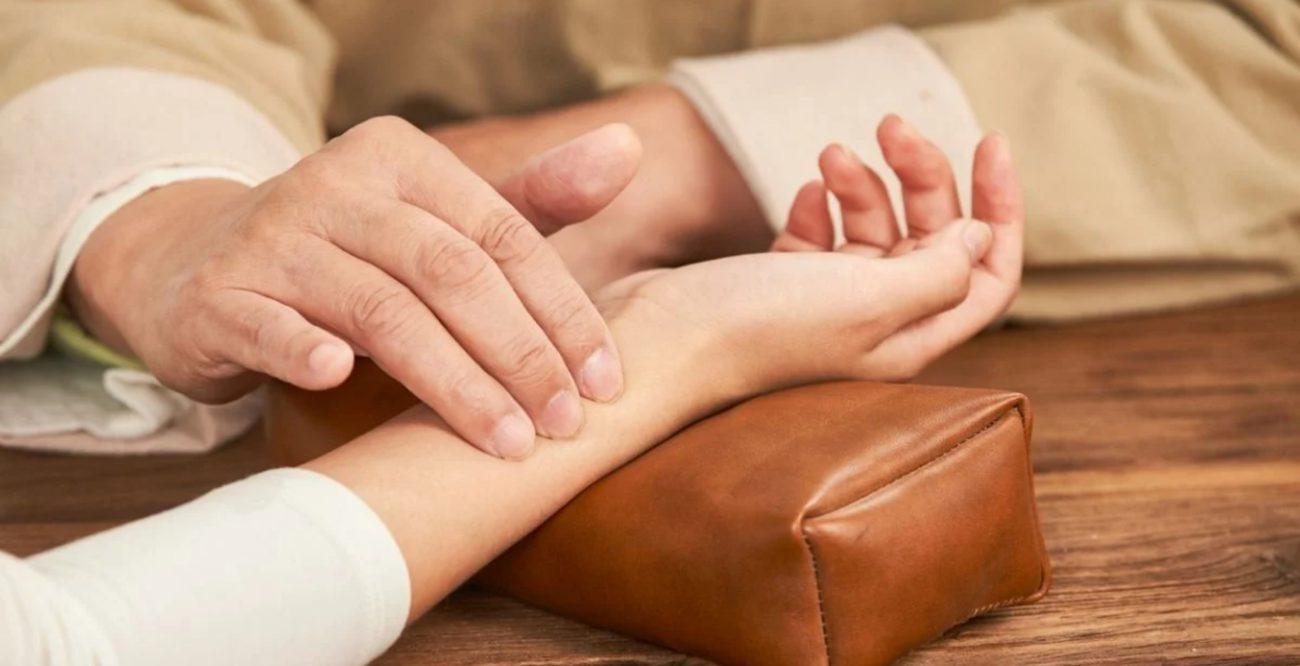
The physician takes your history and reads your pulse. They ask about digestion, sleep, medicines and any diagnosed condition. This decides whether Panchakarma suits you now, and which procedures you will have.
- 2
Preparation (Purvakarma)
Several days of oil massage and steam. You may be asked to eat more plainly at home in this phase.
- 3
Main procedures (Pradhana Karma)
The procedures chosen for you are given on set days. The physician checks how you are doing as the programme goes on.
- 4
Recovery (Paschat Karma)
Food comes back in stages. It starts with light dishes such as rice gruel and khichdi. You are given guidance on daily routine for the weeks that follow.
Who usually books Panchakarma?
- Adults who can come in each day and keep to plain food for the length of the programme
- People an Ayurvedic physician has advised to have a seasonal cleanse
- Guests with a slow or heavy digestion of long standing who want a supervised plan
What is Panchakarma often chosen for?
Panchakarma is often part of a plan for these concerns at 22 Ayur, and each concern page explains the approach and what it can and cannot do.
Read more about Panchakarma
- Panchakarma: what to expect, stage by stage
- What happens at a first Ayurvedic consultation?
- Ayurvedic doctor in Dubai
- How to Choose an Ayurvedic Clinic in Dubai
- What Happens at a First Ayurvedic Consultation?
- Panchakarma: What to Expect, Stage by Stage
- Ayurveda and Hijama During Ramadan: Common Questions
- Ayurveda vs Homeopathy: What Is the Difference?
- What is Agni?
- What is Panchakarma?
When should you wait or ask before Panchakarma?
- Pregnancy and breastfeeding
- Children and frail older adults, for the stronger procedures
- Fever, acute illness, or recovery from surgery
- Serious heart, kidney or liver disease, or cancer treatment: only with your specialist's agreement
- Days when you cannot rest: a heavy work or travel week is the wrong time
Which oils and herbs are used in Panchakarma?
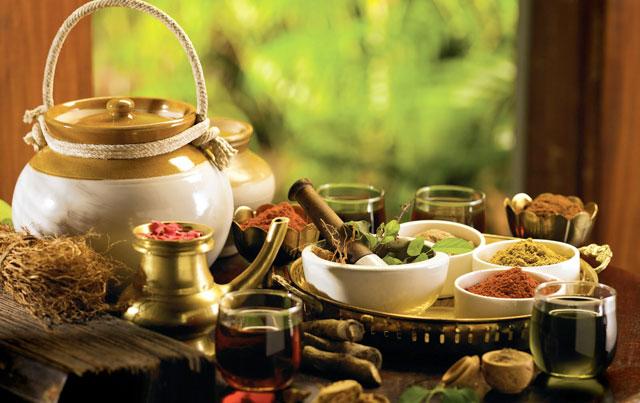
Preparation usually uses medicated ghee or sesame based oils. Each procedure has its own classical preparations. The physician chooses them.
What should you do after Panchakarma?
- Follow the food plan you are given: light, warm, freshly cooked meals
- Avoid heavy exercise, late nights, alcohol and long sun exposure during the programme
- Keep taking your prescribed medicines unless your own doctor changes them
- Tell the physician promptly about anything that feels wrong
How often is Panchakarma done?
Programmes at 22 Ayur start from seven days. The classical range runs up to twenty one. Panchakarma is traditionally done once a year or at a change of season, on a physician's advice.
Panchakarma at 22 Ayur is given at a clinic licensed by the Dubai Health Authority, listed on the Dubai Medical Registry as 22 Ayurvedic Center LLC. A consultation before Panchakarma at 22 Ayur is with Dr Thasni, the clinic’s medical director, who is licensed by the Dubai Health Authority as an Ayurveda Practitioner. Panchakarma is traditional, supportive care and does not replace the advice of your doctor. This page on Panchakarma was written by the 22 Ayur clinic team, published and last updated . How we review content.
Frequently Asked Questions
Traditional programmes run from 7 to 21 days. At 22 Ayur programmes start from 7 days. You come in each day. We guide your food and routine all the way through.
Our physicians assess you before the programme and follow your progress all through it. Some procedures do not suit pregnancy or acute illness. Some do not suit the very old or the very young. Tell the physician first about any diagnosed condition or medicine you take.
You are given a light diet (Pathya Ahara). It is food that is easy to digest, such as khichdi, warm soups and herbal teas. The diet is part of the programme.
Light work is possible on some days. We still ask you to keep your diary as clear as you can, most of all around the main procedures. Hard exercise should wait.
Usually not. The physician picks the ones that fit your constitution and health. Many programmes centre on one or two.
No. It is a classical Ayurvedic programme. You are assessed first, the order is planned, and a physician follows your progress. We do not claim that it removes toxins.
Have a question about Panchakarma we have not covered? Send it on WhatsApp.
Sources
- WHO benchmarks for the practice of Ayurveda. World Health Organization, 2022.
- Charaka Samhita, Siddhisthana 1 (Kalpana Siddhi). Charak Samhita Research, Training and Development Centre.
- Charaka Samhita, Siddhisthana 2 (Panchakarmiya Siddhi), verses 8 to 23. Charak Samhita Research, Training and Development Centre.
- Ayurveda and Panchakarma: measuring the effects of a holistic health intervention. Conboy L et al, TheScientificWorldJournal, 2009.