Cleanse & Energize
Pulse Diagnosis
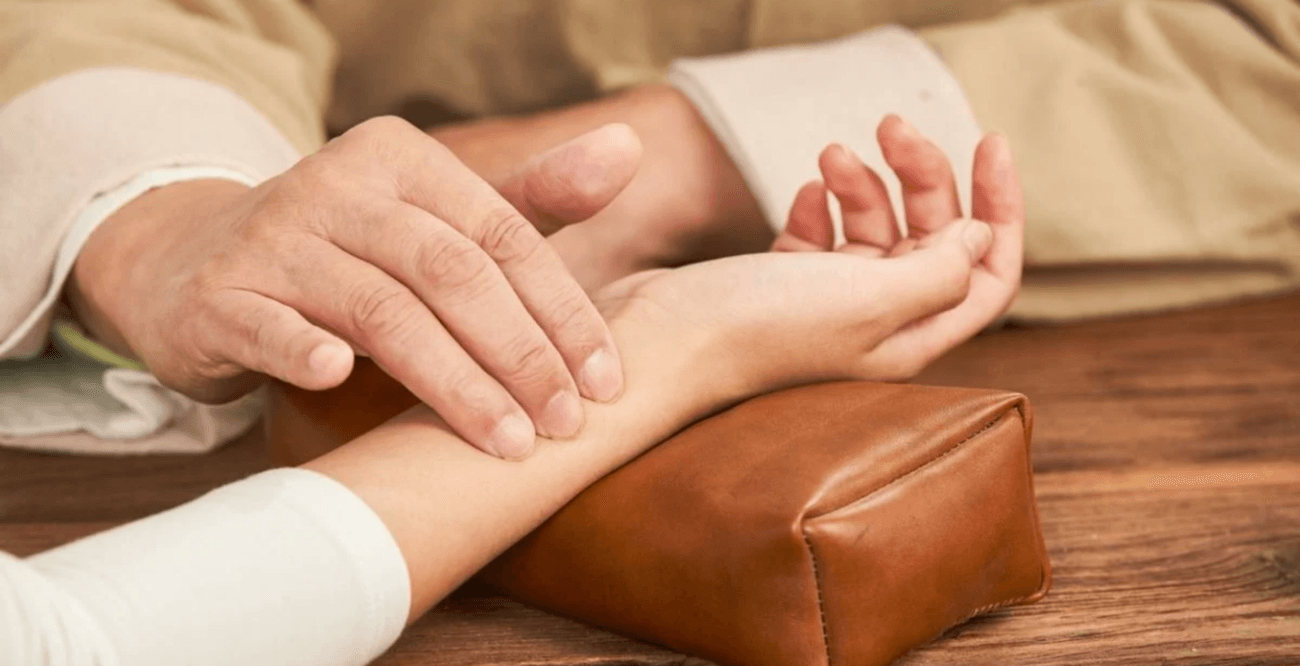
Nadi Pariksha: the Ayurvedic practitioner places three fingers on your wrist and reads the pulse in traditional terms.
Pulse Diagnosis
Pulse Diagnosis is the common English name for Nadi Pariksha: nadi means pulse or channel, and pariksha means examination. The practitioner places three fingers on the radial artery at your wrist and attends to the quality, rhythm and character of the pulse. Despite the English name, it is a traditional Ayurvedic assessment and not a medical diagnosis in the modern sense.
The method is set out in the Sharngadhara Samhita, a medieval Ayurvedic text. Each finger is linked to one dosha: the index finger to Vata, the middle finger to Pitta and the ring finger to Kapha. From what is felt, the practitioner forms a traditional view of your Prakriti, the constitution you were born with, and your Vikriti, how things stand now.
In practice you sit quietly while the practitioner holds your wrist for several minutes, changing the pressure of each finger in turn. Questions about food, sleep and routine usually follow. The reading guides which therapies, diet and daily habits are suggested for you. It finds or rules out no disease and does not replace medical tests or care from your doctor.
Key Benefits
A traditional reading of your constitution (Prakriti)
A view of your present state (Vikriti) in Ayurvedic terms
A starting point for choosing therapies and oils
Diet and routine suggestions that fit the reading
A sensible first visit if you are new to Ayurveda
What happens during Pulse Diagnosis
- 1
Settling
You sit comfortably and rest for a moment so the pulse is steady. The practitioner may ask what has brought you in and whether you take any medication or have a diagnosed condition.
- 2
Reading the pulse
Three fingers are placed on the inside of your wrist, just below the thumb. The pressure changes from light to firm, and each finger is lifted in turn. Sit still and breathe normally.
- 3
Questions
The pulse is one part of the classical examination. Expect questions about appetite, digestion, sleep, energy and daily routine, and sometimes a look at the tongue, eyes or skin.
- 4
What it means for you
The practitioner explains the reading in plain words: your constitution in Ayurvedic terms, which therapies may suit you, and any suggestions on food and routine. Ask anything you like at this point.
Who usually books it
- People new to Ayurveda who want to know where to begin
- Guests planning a course of therapies or Panchakarma
- Anyone curious about their dosha type
- Regular guests whose routine or season has changed
Often chosen for
Our practitioners draw on Pulse Diagnosis in plans for these concerns. Each page explains the approach and what it can and cannot do.
Read more
- How to Choose an Ayurvedic Clinic in Dubai
- Is Ayurveda Licensed and Regulated in Dubai?
- What Happens at a First Ayurvedic Consultation?
- Panchakarma: What to Expect, Stage by Stage
- Hijama: What to Do Before and After Your Session
- Ayurveda for the Dubai Summer: A Seasonal Guide
- Ayurveda vs Homeopathy: What Is the Difference?
- What is Dosha?
- What is Prakriti?
When to wait or ask first
- Urgent or worrying symptoms: see a doctor or go to hospital, not a pulse reading
- Anyone hoping it will stand in for medical tests or a doctor's opinion
- Straight after a heavy meal, hard exercise or strong coffee, which unsettle the pulse: rest first
- If you take regular medicines, tell the practitioner and do not change them on the basis of the reading
Oils and herbs
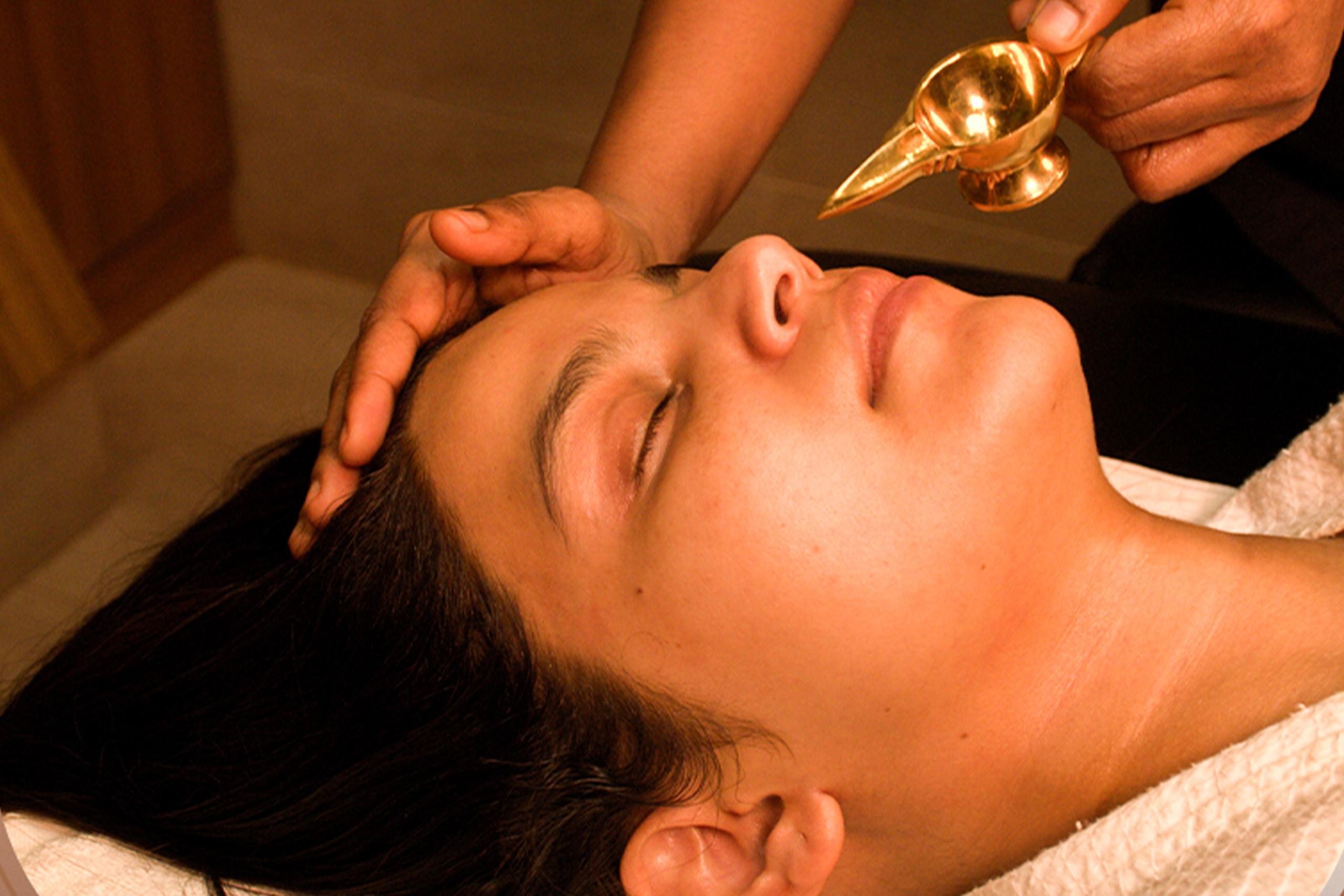
No oils, herbs or instruments are used. The whole examination is done with the practitioner's fingertips on your wrist, together with questions and observation. Any oils or herbal preparations suggested afterwards are chosen by the practitioner in light of the reading and your health history.
After your session
- Note down the suggestions on food and routine while they are fresh
- Keep taking any prescribed medicines as your doctor has directed
- Ask which therapy the practitioner would begin with, and why
How often
Traditionally the pulse is read at the first visit and again when a course of therapies begins or ends, or when the season changes. For most guests that means a few times a year.
Frequently Asked Questions
No. Nadi Pariksha is a traditional Ayurvedic assessment described in classical texts. It guides the choice of therapies. It does not detect or exclude any disease, and it does not replace examination or tests by a doctor.
The tradition is to read the pulse on an empty stomach, ideally in the morning. If that is not practical, come at least two hours after eating. Avoid caffeine, alcohol and a heavy meal beforehand, and sit quietly for a few minutes before the reading.
Ordinary clothes are fine. The practitioner only needs your wrists, so choose sleeves that roll up easily and take off a watch or bangles. You stay seated and fully dressed throughout.
Yes. The practitioner explains the reading and suggests therapies, food and routine that fit it. You are free to take the suggestions away and think about them. Nothing has to be booked on the day.
Have a question we have not covered? Send it to the front desk.