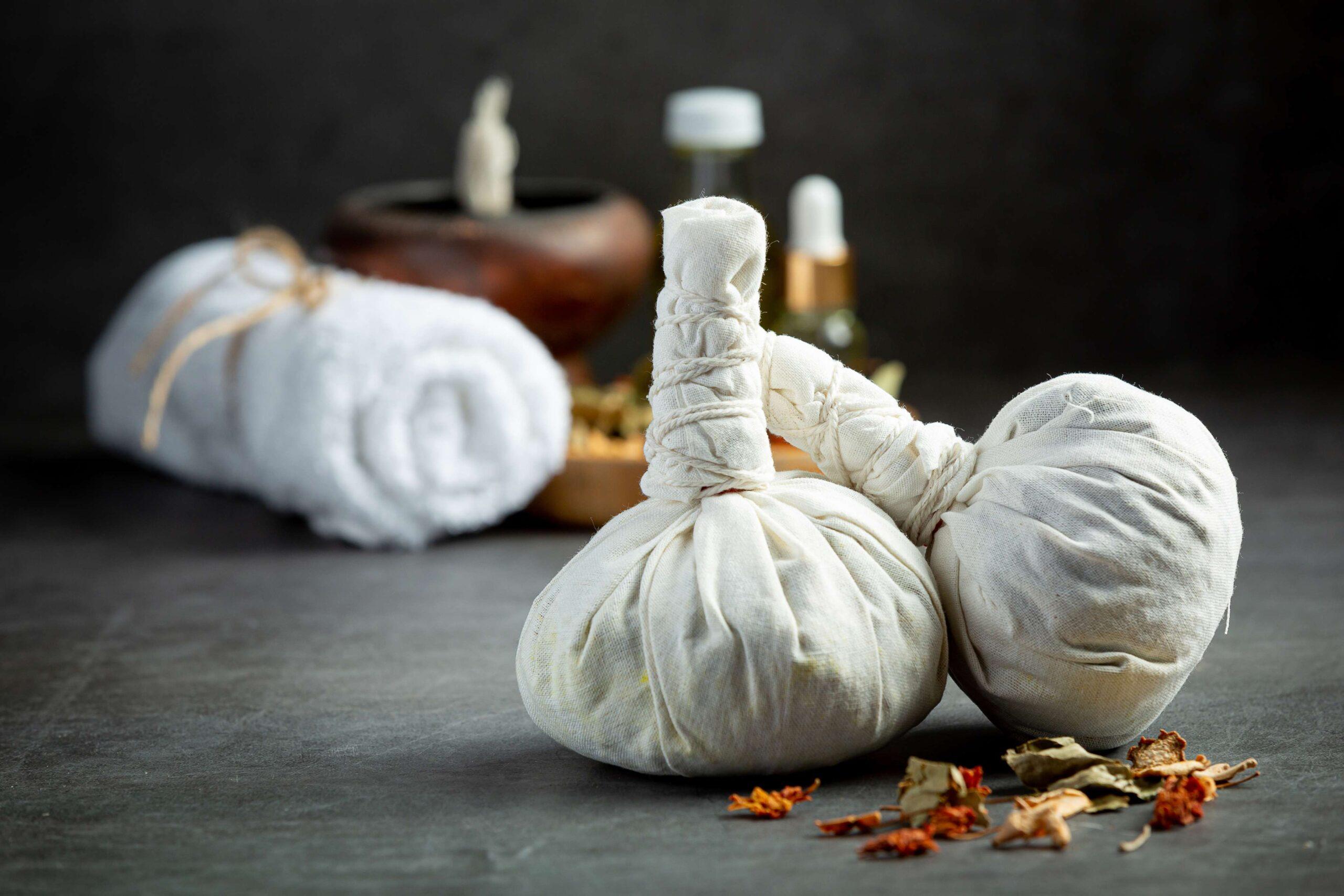
Ayurvedic Practices for Winter in Dubai
What are the Ayurvedic practices for winter?
The classical Ayurvedic winter routine advises oily, sour and salty food, warm water, regular oil massage with oil on the head and feet, exercise, sun and warm rooms. Dubai's winter is mild, with an average January high of 24.4 degrees C. In our reading the oil, warm water and exercise fit well, and the heavy food and warm rooms do not.
The classical Ayurvedic winter routine advises oily, sour and salty food, warm water, regular oil massage, exercise, sunshine and warm rooms. It was written for a cold season, and a Dubai winter is mild, with an average January high of about 24 degrees C. In our reading the oil, the warm water and the exercise carry over well. The heavy food and the warm rooms do not.
How cold does a Dubai winter get?
Not very. The 1991 to 2020 climate record for Dubai airport, kept by the World Meteorological Organization, makes January the coolest month. Its average daily high is 24.4 degrees C and its average night low is 15.3 degrees. December and February are a degree or two warmer.
The classical winter chapters reason from cold. So a reader in Dubai has to sort the parts that depend on cold from the parts that do not.
What does the classical winter routine advise?
The texts count two winter seasons, Hemanta (early winter) and Shishira (late winter). The Charaka Samhita (Sutrasthana 6) gives its reasoning first. Cold is said to hold the digestive fire inside the body, so digestion is strong and can take heavy food. Ayurveda calls that fire Agni.
The Ashtanga Hridaya (Sutrasthana 3) adds that bodily strength is at its highest in these two seasons. It calls late winter colder and drier, and asks for the same routine, kept more strictly. The Charaka Samhita adds one thing for late winter: stay in warm rooms, out of the wind.
The Sushruta Samhita (Sutrasthana 6) looks ahead. In early winter, it says, water and plants are heavy and cool, which builds up Kapha. That Kapha is said to flare in spring.
| Advice | What the texts say | Our reading for Dubai |
|---|---|---|
| Heavy, oily food | Digestion is strong in the cold. | Weak fit. The winter here is mild. |
| Warm water | Advised in early winter. | Fits on cool mornings. |
| Oil massage | Advised, with oil on the head too. | Fits. Air conditioning dries the skin. |
| Exercise | Advised, to half your strength. | Fits. Mornings are cool enough to move. |
| Sun | Advised, along with warm rooms. | Fits at midday in winter. |
| Warm rooms and sweating | Advised in early and late winter. | Little need at 24 degrees. |
Which foods does the winter routine name?
It names tastes and qualities. The Charaka Samhita advises food that is unctuous, sour and salty, along with milk products, oils and warm water. The Ashtanga Hridaya adds the sweet taste. Unctuous here means oily or fatty.
The case rests on cold. In the Charaka Samhita's account, digestion is strong in winter because the cold holds the digestive fire in. In our reading that has little to stand on in a 24 degree afternoon. The passages we read do not discuss a climate like Dubai's.
There is a second reason for care. The national health survey of 2024 to 2025 put high cholesterol at 54.2 per cent of UAE adults and obesity at 22.4 per cent. If your doctor has set a diet for you, a seasonal chapter is no reason to change it.
Warm water is the part that travels. Our article on Ayurveda and hydration covers what the texts say about warm and cold water.
How is oil used in a classical winter?
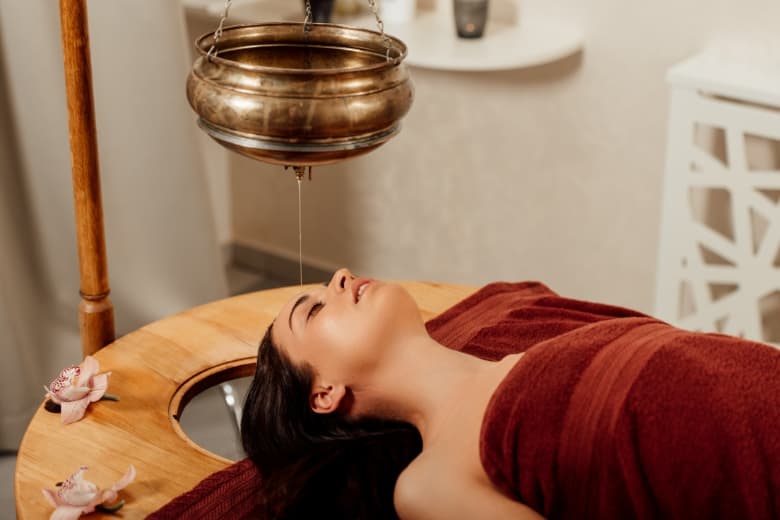
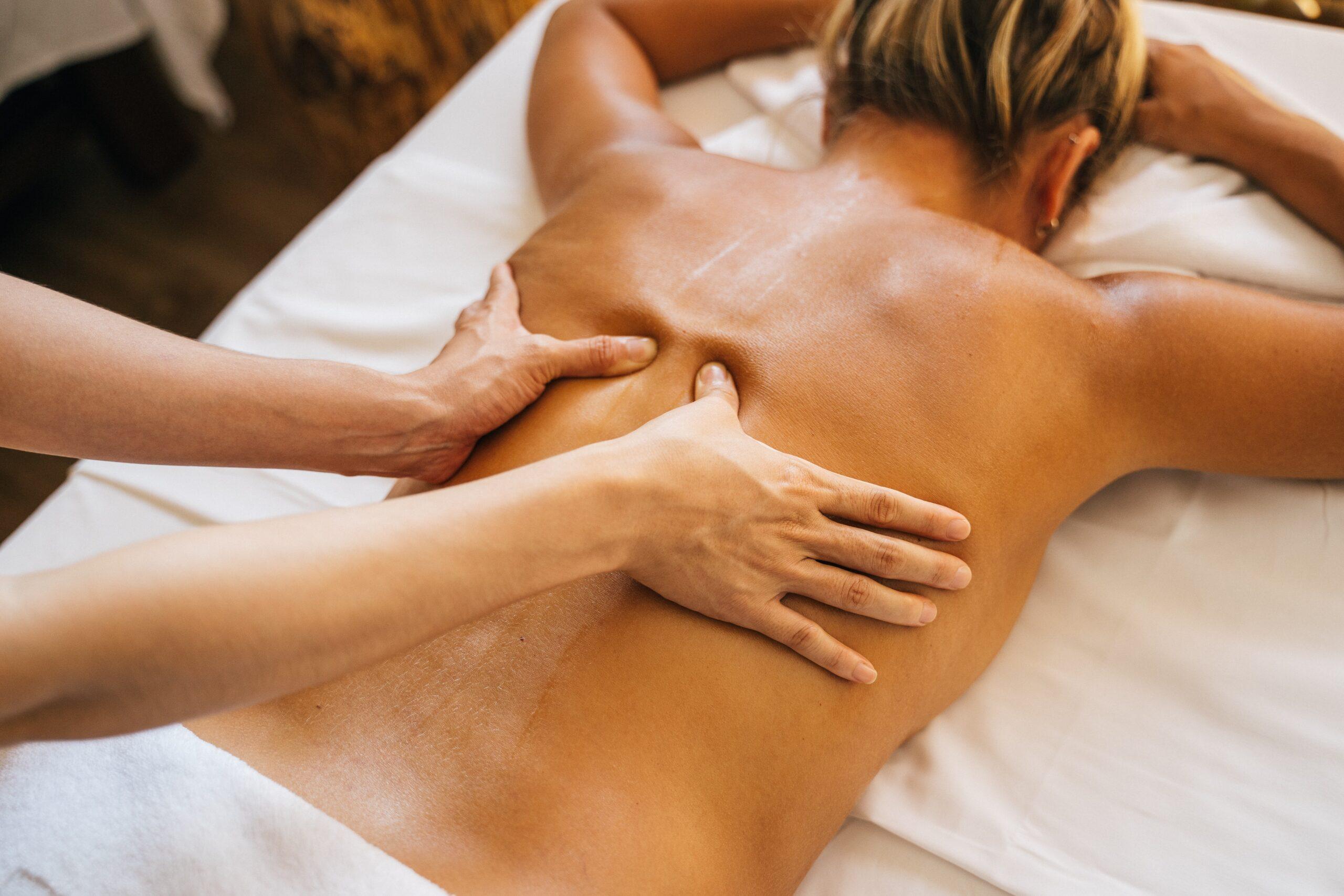
As a regular habit, and over the whole body. The Ashtanga Hridaya's winter routine opens with Abhyanga, an oil massage, using oils chosen to calm Vata. Oil goes on the head as well, and the feet are massaged. The oil is then washed off with astringent powders or decoctions before the bath.
The Charaka Samhita (Sutrasthana 5) explains the habit with three images. A pot, a hide and an axle each grow firm when they are oiled, and the text says the same of the body. It places Vata in the sense of touch, which sits in the skin.
This part of the routine depends least on cold. The MedlinePlus page on dry skin lists cold, dry winter air among the causes. Air conditioning is on the same list. Its home care advice includes a moisturiser, put on damp skin two or three times a day.
For the oil, the Sushruta Samhita (Chikitsasthana 24) says to choose by habit, constitution, place, season and dosha. Sesame oil prepared with herbs is the classical base in Kerala practice. Our guide to Abhyanga at home shows how to do it yourself.
A 2011 pilot study measured self rated stress, heart rate and blood pressure in 20 healthy adults before and after one massage of an hour. Stress scores and heart rate were lower afterwards. The study had no comparison group, and its author called for more rigorous research.
A winter day, from first light to bed
Morning
The Sushruta Samhita compares the hours before dawn to early winter. The Ashtanga Hridaya gives its winter routine as an order and not as a clock: massage first, then exercise, then the wash and the bath. We place it in the morning because the bath ends it.
For exercise the Ashtanga Hridaya names wrestling, to half your strength. The Charaka Samhita (Sutrasthana 7) says moderate exercise brings lightness and stronger digestion, and that too much brings exhaustion and thirst.
For the bath, the Sushruta Samhita's passage on bathing advises against very cold water in winter. The Ashtanga Hridaya (Sutrasthana 2) says a warm bath strengthens the body. It adds that warm water on the head weakens the hair and the eyes.
Midday
The Charaka Samhita lists the sun in its winter advice. Midday is where we place it. The same text discourages sleep in the day in every season except summer, in Sutrasthana 21, on sleep.
Evening
Oil on the feet suits the evening. The Sushruta Samhita says it brings sleep and softens the soles. Oiled feet slip on tiles, so wipe them before you stand up.
Is winter the time for exercise and sun in Dubai?
For exercise, yes. The classical winter asks for it, and the weather allows it. Average night lows from December to February are 15 to 17 degrees, so mornings are cool.
In the national health survey, 59.1 per cent of adults were not active enough. Our article on Ayurveda in summer explains why the hot months are different.
The same survey found vitamin D deficiency in 49.3 per cent of adults. The NHS page on vitamin D lists who is at risk. The list includes people who are seldom outdoors, people whose clothes cover most of their skin, and people with dark skin.
The classical advice lists the sun beside warm rooms and sweating. It says nothing about vitamin D. Ask your doctor whether you need a test or a supplement.
Does the winter routine help with colds?
The winter passages we read do not mention colds. The Sushruta Samhita (Uttara Tantra 24) tells a person with a cold to stay in a closed room, out of draughts, with the head covered. It says to avoid cold drinks and cold baths and to eat warm food.
The NHS page on the common cold says you should start to feel better in about one to two weeks. Its self care advice includes rest, plenty of fluids and steam for a blocked nose. It rules out a bowl of hot water for children.
On steam the research is unsettled. A 2017 Cochrane review of six trials had 387 participants. It concluded that current evidence shows neither benefit nor harm from breathing heated, humidified air for a cold.
A warm bath is not a remedy for a cold, and we do not offer our ginger bath as one. The NHS says to see a doctor in these cases:
- You have had a high temperature for more than three days.
- Your symptoms are getting worse, or are no better after 10 days.
- You are short of breath or have chest pain.
- Your cough has lasted more than three weeks.
- You have a cold and a long term condition such as diabetes, or heart, lung or kidney disease.
If a blocked nose keeps coming back, our page on sinus and allergy concerns covers what Ayurveda offers alongside medical care.
Who should wait or check with a doctor first?
Wait if you have a fever, flu or an upset stomach on the day. The Sushruta Samhita rules out oil massage in acute fever and indigestion, and the Ashtanga Hridaya rules it out in indigestion. Leave about two hours after a heavy meal.
Ask the practitioner first if you have an open wound, a skin infection or a flare of a skin condition. Tell the therapist about any nut or seed allergy before oil is chosen. In pregnancy, book the prenatal massage in place of the full body oil massage, and check with your obstetrician first.
The ginger bath has a longer list. Check with your doctor if you have a heart condition, are pregnant, or have been told to avoid hot baths. The US National Center for Complementary and Integrative Health also says pregnant women should consult a health care provider before using ginger. The bath is not for sunburn, cuts, a rash or freshly shaved skin, and ask first if your skin is sensitive or flushes easily.
What does a winter visit to 22 Ayur involve?
Classical therapies here are planned after a consultation. The consultation is with Dr Thasni, the clinic's medical director, who holds a DHA licence as an Ayurveda practitioner.
The therapy closest to the winter routine is Abhyangam with Scrub. The therapist asks about pressure, sore areas and skin sensitivity. The oil is warmed before it touches your skin.
Work usually begins at the scalp, neck and shoulders, then covers the whole body on the table. A herbal scrub is rubbed over the oiled skin with brisk strokes and lifts the excess oil. Afterwards, drink warm water and keep warm for the next hour.
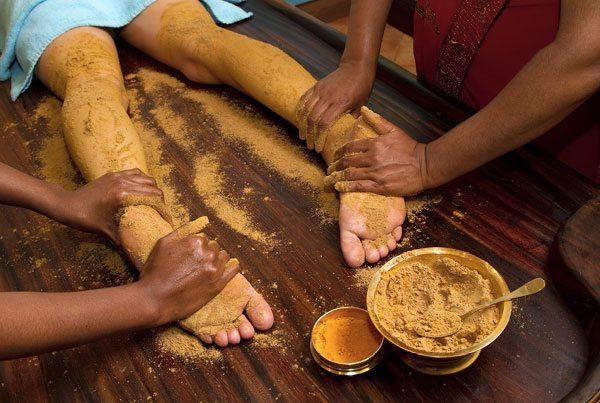
The Ginger Bath with Ubtan is booked more often in winter than in summer. A brisk scrub comes first, then a soak in warm water infused with grated ginger, lemongrass and spices.
Your skin may tingle. Say at once if the tingle turns to stinging, or if you feel flushed or dizzy. Our article on the ginger bath in Dubai walks through the session.
Our therapists trained in Kerala, and you can ask for a female therapist. The clinic is in Jumeirah, on Al Mina Road near Port Rashid. It opens at 10:00 from Tuesday to Friday and at 09:00 on Saturday and Sunday, closes at 21:30 and stays shut on Mondays. To book, use WhatsApp or the phone number on our contact page.
Questions people ask
Which classical season is Dubai in during December?
None maps cleanly. The Sushruta Samhita counts six seasons of two months each. Early and late winter are among them, and so is a season of rains. Dubai's weather record shows a mild winter and a long hot season. We go by the weather outside and not by the classical calendar.
Is sesame oil or coconut oil used in winter?
Sesame oil prepared with herbs is the classical base for oil massage in Kerala practice. Coconut based oils are often chosen when the weather is hot. The Sushruta Samhita says the choice also depends on your habit and constitution. Tell the therapist about any nut or seed allergy before the session.
Should I bathe in hot water in winter?
Warm, and not hot. The Sushruta Samhita advises against very cold water in winter. The Ashtanga Hridaya says a warm bath strengthens the body and that warm water on the head weakens the hair and eyes. MedlinePlus advises short, warm showers of 5 to 10 minutes for dry skin.
Can I nap in the afternoon in winter?
The Charaka Samhita discourages it. Its chapter on sleep allows sleep in the day in summer and discourages it in the other seasons. Day sleep is then said to raise Kapha and Pitta. This is the tradition's view and not medical advice on sleep.
How often is oil massage advised in winter?
The classical texts describe it as a regular habit, and the Ashtanga Hridaya places it first in the winter routine. At the clinic an oil massage is booked as regular care, and a practitioner's plan may advise a short daily course.
Sources
- World Meteorological Organization Climate Normals for 1991-2020: Dubai International Airport, WMO station 41194 (data file). World Meteorological Organization, archived by NOAA National Centers for Environmental Information.
- Charaka Samhita, Sutrasthana 6 (Tasyashiteeya Adhyaya), verses 9 to 48. Charak Samhita Research, Training and Development Centre.
- Ashtanga Hridaya, Sutrasthana 3 (Ritucharya), PDF pages 77 to 84. Legible. Chaukhamba Surbharati Prakashan, Varanasi; PDF hosted by Karnataka Samskrit University.
- Sushruta Samhita, Sutrasthana 6 (Ritucharya). Wisdom Library, text of K. K. L. Bhishagratna's English translation.
- MoHAP Publishes Landmark National Health Survey Showing Population Health Progress and Guiding Stronger Preventive Care. UAE Ministry of Health and Prevention (MOHAP), 2026.
- Charaka Samhita, Sutrasthana 5 (Matrashiteeya Adhyaya), verses 81 to 92. Charak Samhita Research, Training and Development Centre.
- Dry skin: self-care. MedlinePlus (US National Library of Medicine, NIH), 2025.
- Sushruta Samhita, Chikitsasthana 24 (Anagatabadha Pratishedha). Wisdom Library, text of K. K. L. Bhishagratna's English translation.
- Pilot study investigating the effects of Ayurvedic Abhyanga massage on subjective stress experience. Basler AJ, Journal of Alternative and Complementary Medicine, 2011.
- Charaka Samhita, Sutrasthana 7 (Naveganadharaniya Adhyaya), verses 31 to 33 and 39 to 41. Charak Samhita Research, Training and Development Centre.
- Sushruta Samhita, Chikitsasthana 24. Wisdom Library, text of K. K. L. Bhishagratna's English translation.
- Ashtanga Hridaya, Sutrasthana 2 (Dinacharya), PDF pages 66 to 70. Legible. Chaukhamba Surbharati Prakashan, Varanasi; PDF hosted by Karnataka Samskrit University.
- Charaka Samhita, Sutrasthana 21 (Ashtauninditiya Adhyaya). Charak Samhita Research, Training and Development Centre.
- Vitamin D: Vitamins and minerals. NHS, 2020.
- Sushruta Samhita, Uttara Tantra 24 (Pratishyaya Pratishedha). Wisdom Library, text of K. K. L. Bhishagratna's English translation.
- Common cold. NHS, 2024.
- Heated, humidified air for the common cold. Singh M et al, Cochrane Database of Systematic Reviews, 2017.
- Ginger. National Center for Complementary and Integrative Health, US National Institutes of Health, 2025.
“Ayurvedic Practices for Winter in Dubai” was written by the 22 Ayur clinic team. It was published and last updated . It describes traditional practice and is not medical advice. For advice on your own situation, an Ayurveda consultation at 22 Ayur is with Dr Thasni, the clinic’s medical director, who is licensed by the Dubai Health Authority as an Ayurveda Practitioner. How we review content.
Related care at 22 Ayur
- Abhyangam with Scrub
A full body massage with warm herbal oil, followed by a herbal scrub that lifts the oil from the skin.
- Ginger Bath with Ubtan
A brisk Ubtan scrub followed by a soak in warm water infused with freshly grated ginger, lemongrass and warming spices.