Hijama (Cupping Therapy)
Hijama (Wet Cupping)
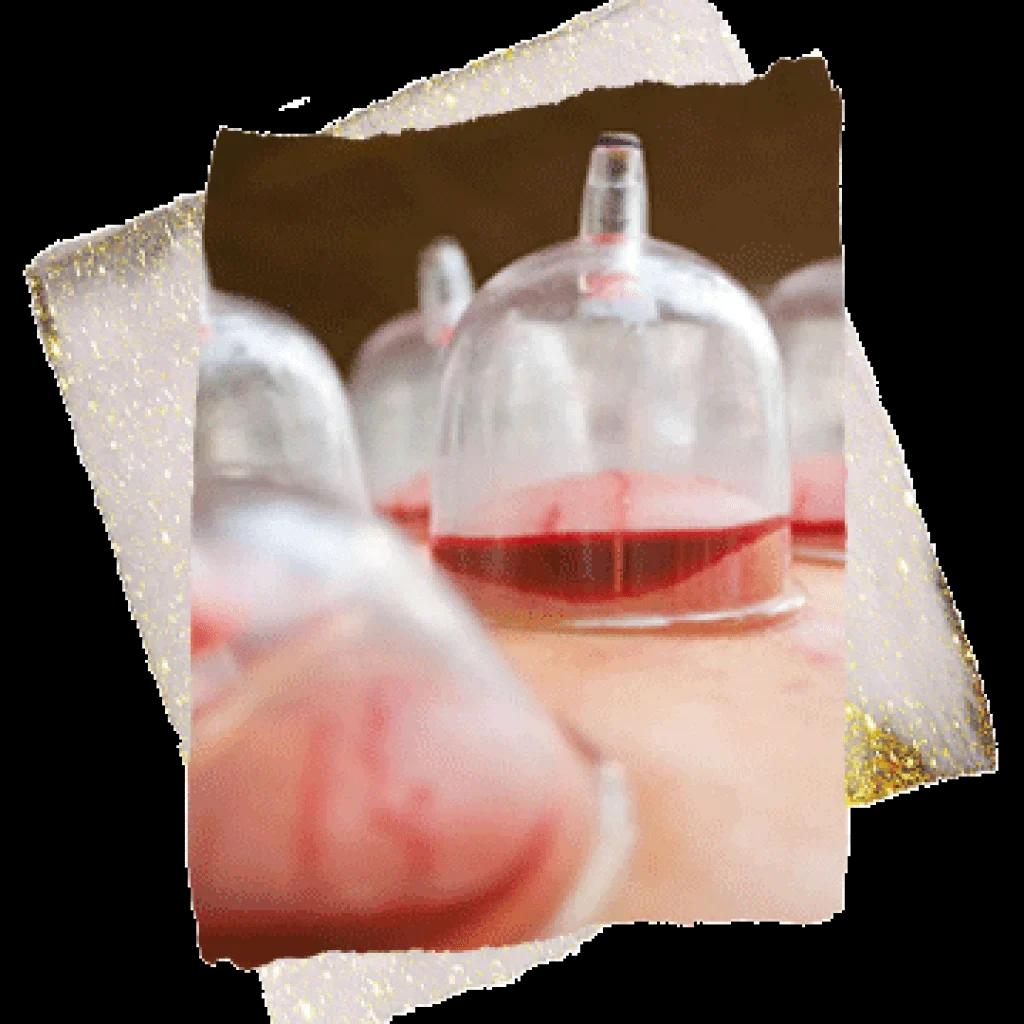
Traditional wet cupping: cups are placed with suction, small surface scratches are made, and a little blood is drawn into the cup.
Hijama (Wet Cupping)
What is Hijama (Wet Cupping)?
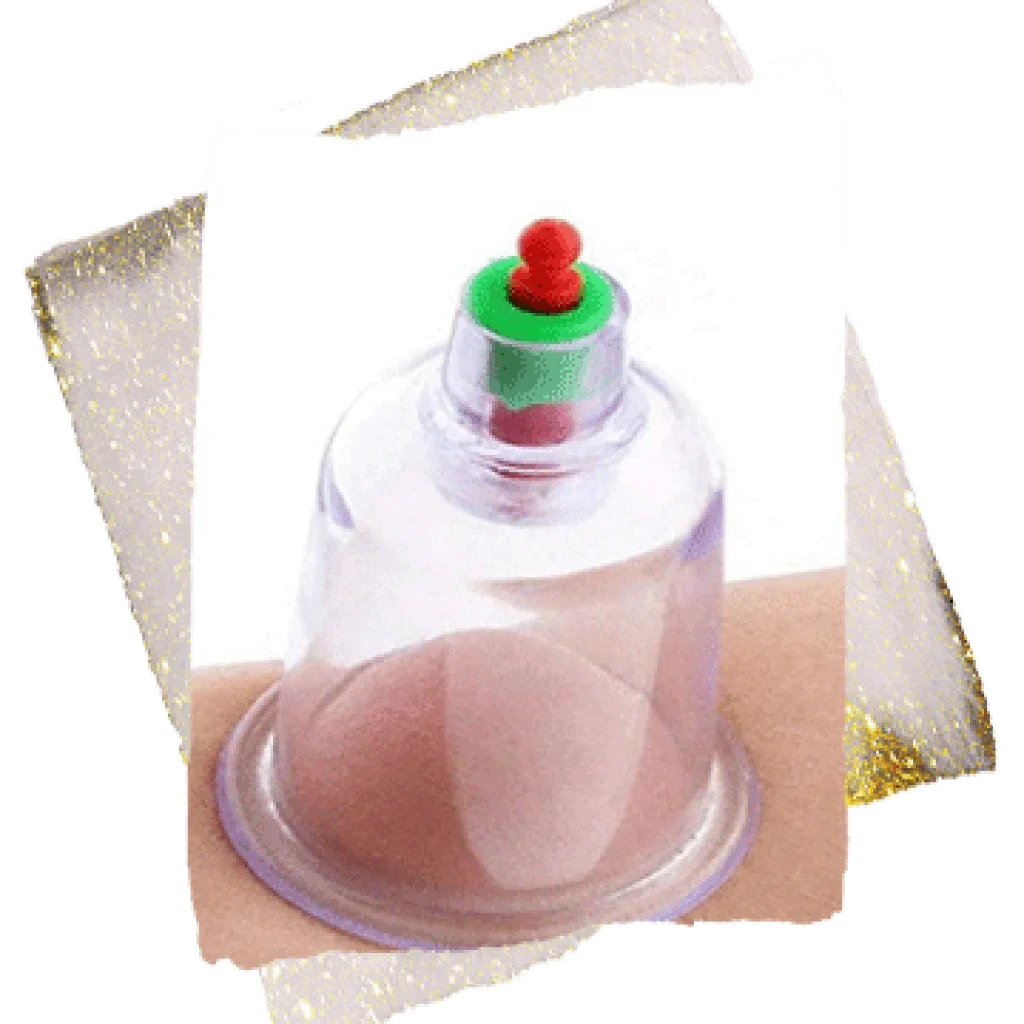
Hijama is wet cupping. Cups are placed on the skin with suction and then lifted. A few very small surface scratches are made. The cups are placed again so that a small amount of blood is drawn. It is an old practice that comes mostly from the Arabic and Unani tradition.
People come to Hijama for different reasons. Some keep it as a Sunnah practice. Some make it part of a seasonal routine. Others come with a heavy head, a tight back or tired shoulders. We describe it as a traditional therapy. Medical research on cupping is limited and mixed. Hijama is not a substitute for treatment from your doctor.
At 22 Ayur, Hijama is done with single use sterile cups and blades, and the skin is disinfected before and after. You are asked about your health first. The questions cover blood thinning medication, anaemia, diabetes and bleeding conditions, because Hijama is not suitable for everyone.
Where does Hijama (Wet Cupping) come from?
Hijama is the name wet cupping carries in the Arabic and Unani tradition. A 2026 working paper from the World Health Organization (WHO) says wet cupping comes mostly from that tradition. The paper is descriptive and does not judge claims made for cupping. It reports a substantially higher infection risk for wet cupping than for dry. In India the Directorate of AYUSH in Delhi lists cupping, as Hijama, among the regimental therapies of Unani medicine.
A 2016 systematic review by Al Bedah and colleagues found 14 randomised trials of wet cupping. Nine favoured it and five showed no significant difference. The trials varied in risk of bias, and the reviewers said better quality trials are needed. The US National Center for Complementary and Integrative Health (NCCIH) says cupping may help reduce pain, but the evidence is not strong. For other conditions it finds too little good research to draw conclusions.
Key Benefits
Some people keep it as a Sunnah practice
Booked by some people for a heavy head or a tight back and shoulders
Single use sterile cups and blades for every guest
Health questions before every session
Aftercare guidance to take home
What happens during Hijama (Wet Cupping)?
- 1
Health questions
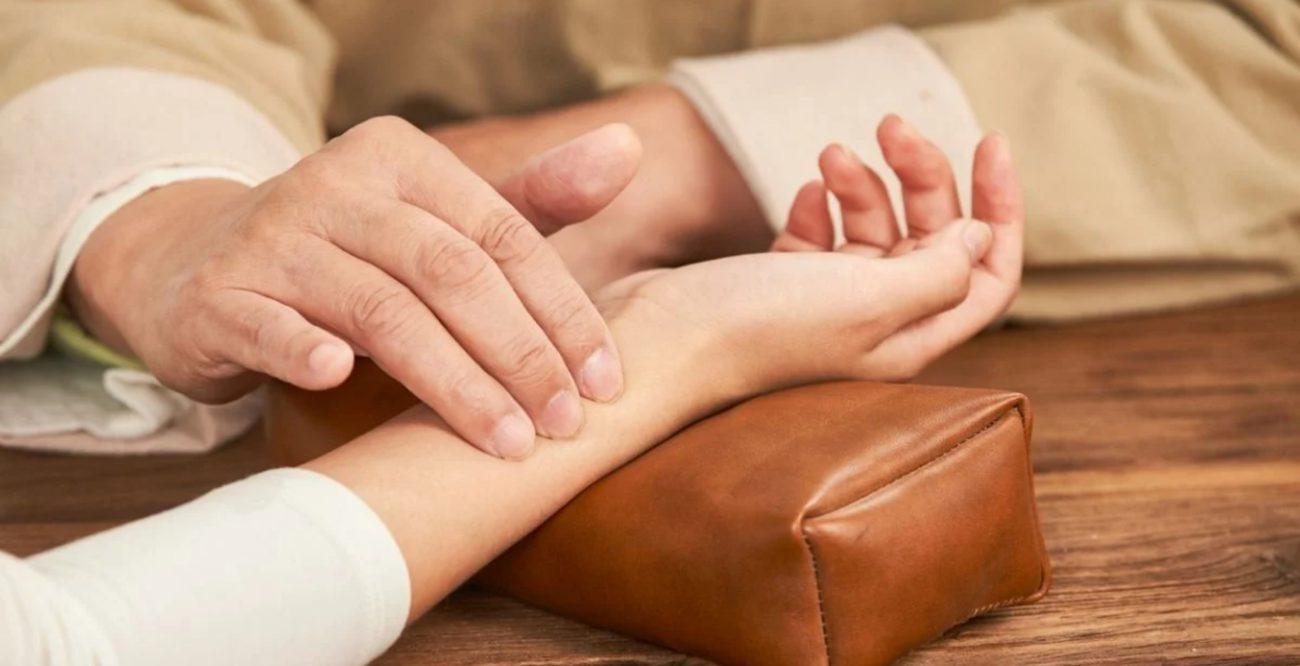
You are asked about medication, medical conditions, whether you have eaten, and what you hope for from the session. If Hijama is not suitable, we will tell you.
- 2
Choosing the points
Points are chosen with you. The upper back between the shoulder blades is the most common point.
- 3
Dry cupping first
The skin is cleaned. Cups are placed with suction for a few minutes, which raises the skin.
- 4
Light scratches
The cups are removed and a few small, shallow scratches are made with a sterile single use blade. You feel a light scratching.
- 5
Second cupping
The cups go back on and a small amount of blood collects in them over a few minutes.
- 6
Cleaning and dressing
The cups are removed, the skin is cleaned and disinfected, and a dressing is applied where needed. Everything used is disposed of.
Who usually books Hijama (Wet Cupping)?
- Adults in general good health who keep Hijama as a Sunnah practice
- People who have had Hijama before and keep a regular routine
- Those who want it done in a licensed clinic with sterile single use equipment
What is Hijama (Wet Cupping) often chosen for?
Hijama (Wet Cupping) is often part of a plan for these concerns at 22 Ayur, and each concern page explains the approach and what it can and cannot do.
Read more about Hijama (Wet Cupping)
- Hijama Sunnah days: dates for the next 12 months
- Hijama vs cupping: wet, dry and Chinese cupping
- Hijama: what to do before and after your session
- Ayurveda and Hijama during Ramadan: common questions
- How to Choose an Ayurvedic Clinic in Dubai
- Is Ayurveda Licensed and Regulated in Dubai?
- Hijama: What to Do Before and After Your Session
- Ayurveda and Hijama During Ramadan: Common Questions
When should you wait or ask before Hijama (Wet Cupping)?
- Blood thinning medication or a bleeding or clotting condition
- Anaemia, low blood pressure or a tendency to faint
- Pregnancy
- Diabetes that is not well controlled, or poor wound healing
- Fever, infection, or skin disease at the cupping site
- Children and frail older adults
- While fasting, if you tend to feel weak: many people book for after iftar in Ramadan
Which oils and herbs are used in Hijama (Wet Cupping)?
No herbal medicine is taken. A little oil, often black seed or olive oil, may be used on the skin so the cups sit well.
What should you do after Hijama (Wet Cupping)?
- Rest for the remainder of the day and drink plenty of water
- Keep the area clean, dry and covered for 24 hours, and avoid swimming and the gym
- Eat a light meal, and leave heavy and fried food for a day if you can
- Circular marks are expected and usually fade within one to two weeks
- If a site becomes red, hot or painful, or you feel unwell, contact the clinic or your doctor
How often is Hijama (Wet Cupping) done?
For those who keep it as a routine, every one to three months is common. If you have dates you prefer, tell us when you book.
Hijama (Wet Cupping) at 22 Ayur is given at a clinic licensed by the Dubai Health Authority, listed on the Dubai Medical Registry as 22 Ayurvedic Center LLC. Hijama (Wet Cupping) is traditional, supportive care and does not replace the advice of your doctor. This page on Hijama (Wet Cupping) was written by the 22 Ayur clinic team, published and last updated . How we review content.
Frequently Asked Questions
Expect mild discomfort more than pain. The suction feels like a firm pull, and the scratches are shallow and brief.
Wet cupping breaks the skin, so it carries a higher risk of infection than dry cupping. All cups and blades are single use and sterile. Gloves are worn, and the treatment area is disinfected before and after the procedure. Tell us beforehand about any medical condition or blood thinning medication. We will then tell you whether Hijama is suitable for you.
Those who keep it as a routine usually come every one to three months. Tell us the dates you prefer when you book.
Circular marks or mild bruising at the cupping sites are common and usually fade within one to two weeks. Some people feel tired afterwards. Drink plenty of water and rest. If anything worries you after a session, contact the clinic or your doctor.
Have a light meal two to three hours before. Coming on a completely empty stomach can make some people feel faint.
A small amount collects in each cup.
Dry cupping uses suction only. Wet cupping (Hijama) adds the small scratches so that a little blood is drawn.
Have a question about Hijama (Wet Cupping) we have not covered? Send it on WhatsApp.
Sources
- Cupping therapy: descriptive synthesis of training. World Health Organization, 2026.
- Modes of Treatment (Unani). Directorate of AYUSH, Government of NCT of Delhi.
- Evaluation of Wet Cupping Therapy: Systematic Review of Randomized Clinical Trials. Al Bedah AM et al, Journal of Alternative and Complementary Medicine, 2016.
- Cupping. National Center for Complementary and Integrative Health, US National Institutes of Health, 2018.