Hijama (Cupping Therapy)
Hijama (Dry Cupping)
Cups are placed on the skin and held there by suction for a short while. There are no incisions and no blood is drawn.
Hijama (Dry Cupping)
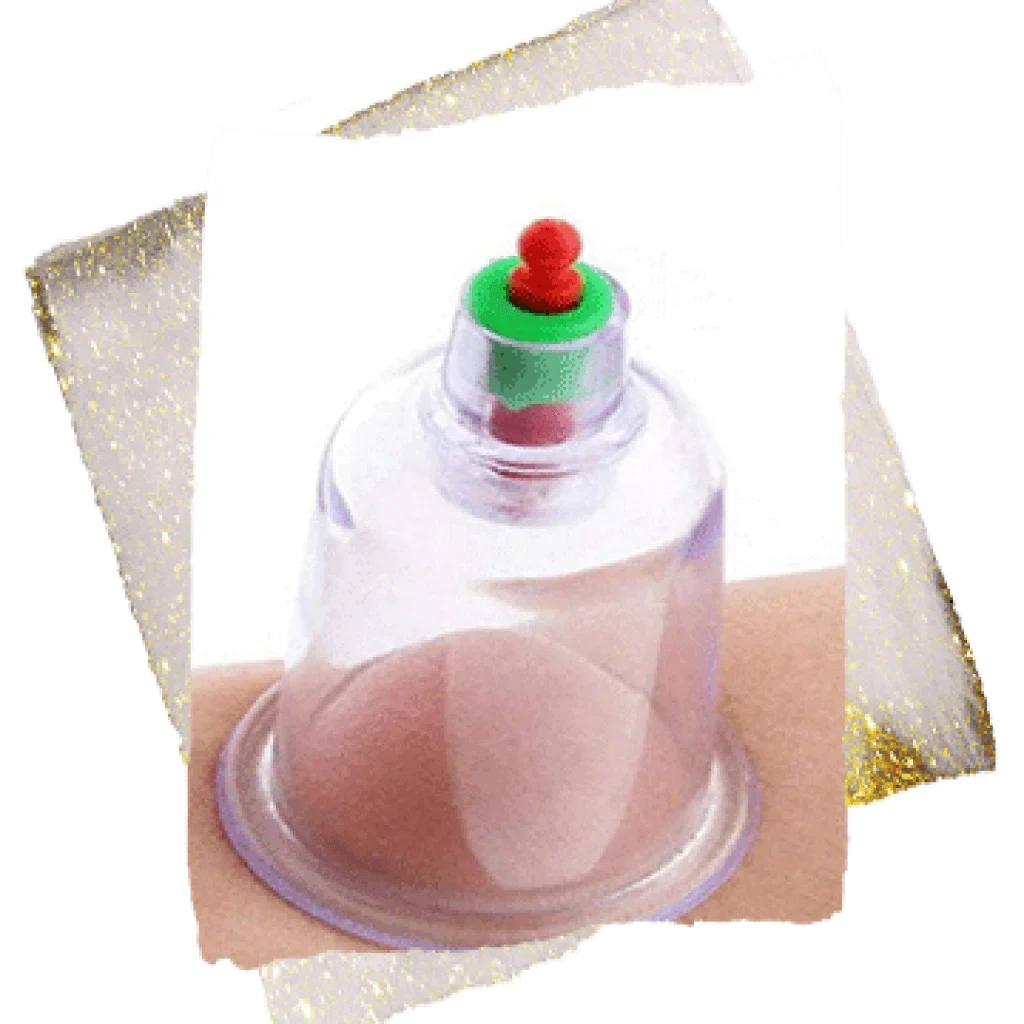
Dry cupping uses cups and suction, and nothing else. A cup is set on the skin, the air inside is drawn out, and the skin under the cup rises gently into it. The cup stays in place for a short while and is then released. The skin is not cut or scratched at any point, and no blood is drawn.
Cupping is a very old folk practice, found across the Arab world, Asia and Europe. In the Gulf it is mostly known through Hijama, the wet form, which has its own place in Prophetic medicine. Dry cupping is the simpler relative. People usually book it for a back, neck or shoulders that feel tight after desk work, driving or training, or because they would like to try cupping without incisions.
At 22 Ayur you are asked about your health and any medication before the session, because cupping is not suitable for everyone. We describe dry cupping as a traditional therapy. Research on cupping is limited and mixed, we make no medical claims for it, and it does not replace care from your doctor. Wet cupping, or Hijama, is a separate treatment at the clinic.
Key Benefits
Cups and suction only, with no incisions and no blood drawn
A firm pulling sensation that many people like on a tight back
Commonly booked for the back, neck and shoulders
A simple first experience of cupping
Health questions before every session
What happens during Hijama (Dry Cupping)
- 1
Health questions
You are asked about medication, blood thinners in particular, any medical or skin condition, and whether you might be pregnant. If cupping is not suitable for you, we will say so.
- 2
Preparing the skin
You lie face down with the back uncovered. The skin is cleaned, and a little oil may be applied so that the rim of each cup sits well against it.
- 3
Placing the cups
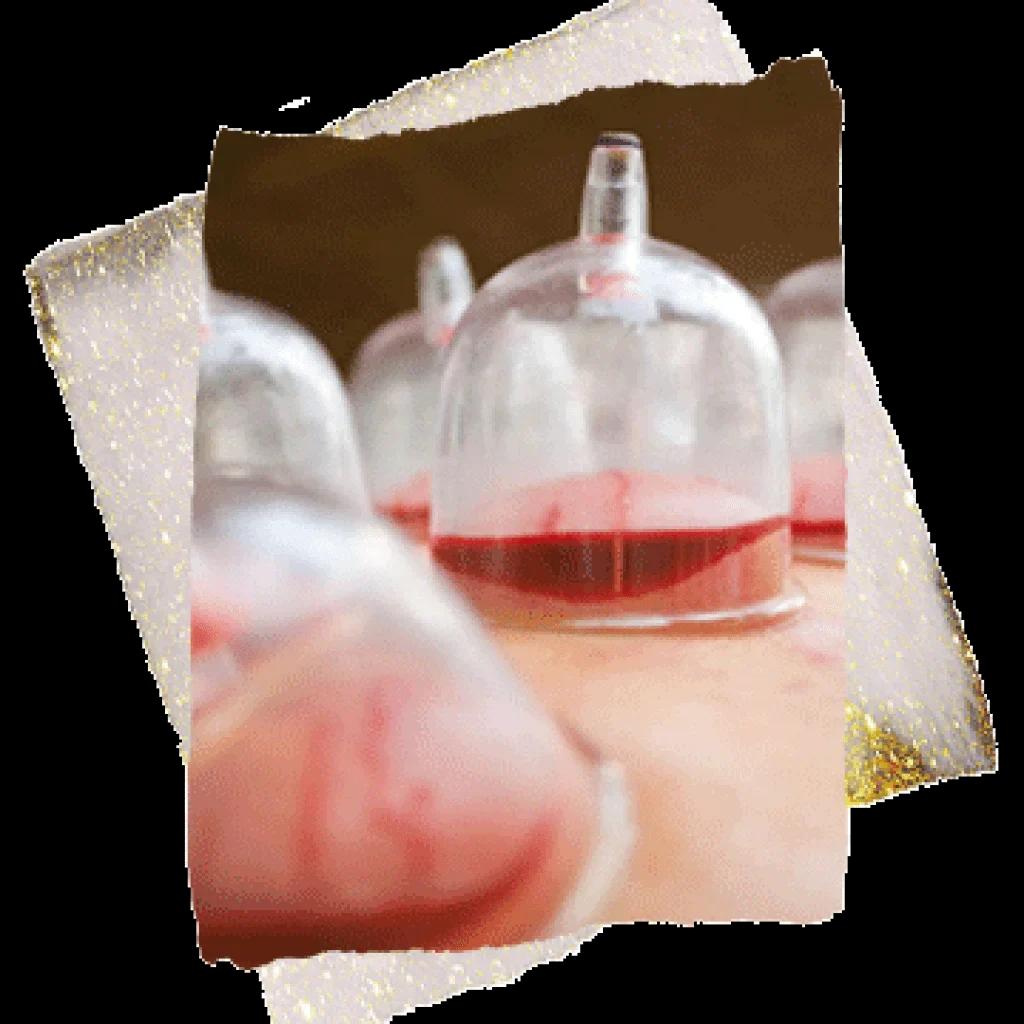
Each cup is set on the skin and the air is drawn out, usually with a small hand pump. You feel a firm pull as the skin rises. The suction is adjusted to your comfort, and the cups stay on for a short while.
- 4
Release
The suction is let go and the cups lift off. The skin is wiped, and you rest briefly before getting up. Round marks will already be visible where the cups sat.
Who usually books it
- Adults whose back, neck or shoulders feel tight from desk work or driving
- People who train regularly and like cupping as part of their routine
- Anyone curious about cupping who prefers to avoid incisions
Read more
- Hijama Sunnah days: dates for the next 12 months
- Hijama vs cupping: wet, dry and Chinese cupping
- Hijama: what to do before and after your session
- Ayurveda and Hijama during Ramadan: common questions
- Is Ayurveda Licensed and Regulated in Dubai?
- Hijama: What to Do Before and After Your Session
- Ayurveda and Hijama During Ramadan: Common Questions
When to wait or ask first
- Blood thinning medication or a bleeding condition: ask your doctor first
- Pregnancy: ask your obstetrician and tell us before booking
- A skin condition, sunburn, broken skin or infection where the cups would go
- Fever or feeling unwell on the day
Oils and herbs
No herbal medicine is involved. The materials are the cups and a hand pump that draws out the air. A little plain oil, often olive or black seed oil, may be put on the skin so the cups seal and can slide.
After your session
- Expect round marks where the cups sat; they fade over several days
- Drink water and leave the gym, the pool, sauna and steam until tomorrow
- If a mark blisters, becomes painful, or you feel unwell, contact the clinic or your doctor
How often
There is no fixed rule. People who enjoy it commonly come every two to four weeks, once the marks from the last session have faded.
Frequently Asked Questions
Dry cupping is suction only: the cups go on, stay a short while and come off. In wet cupping, known as Hijama, small surface scratches are made and a little blood is drawn into the cup.
Yes. Round marks appear where the cups sat, from pink to dark red or purple depending on your skin and the strength of the suction. They fade over several days. Plan around a wedding or a beach day.
Most people describe a firm pull or a tight feeling under each cup, not pain. The suction can be made lighter at any time, so speak up. The marked areas can feel a little tender for a day or two.
Anyone on blood thinners, anyone who is pregnant or might be, and anyone with a skin condition should ask first. Speak to your own doctor, and tell us when you book.
Have a question we have not covered? Send it to the front desk.