Ayurvedic Treatments
Pichu
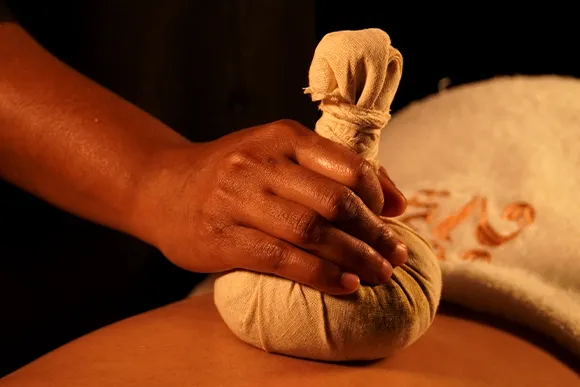
A thick cotton pad soaked in warm medicated oil is laid on one area, such as the lower back or the crown, and kept warm.
Pichu
Pichu is one of the simplest therapies in Ayurveda. A thick pad of cotton or folded cloth is soaked in warm medicated oil and laid on one part of the body. As the pad cools, the therapist squeezes fresh warm oil onto it, so the area stays under warm oil for the whole session without any rubbing, kneading or pressure.
The name changes with the place. Shiro Pichu sits on the crown of the head, Kati Pichu on the lower back, Greeva Pichu on the back of the neck and Janu Pichu on the knee. The Ashtanga Hridaya lists Pichu among the four ways of keeping oil on the head. Ayurveda traditionally uses it where Vata is considered raised in one area.
At 22 Ayur the therapy is given by trained Ayurvedic therapists, and the practitioner chooses the oil. People usually book it for one spot that feels stiff or tight, such as a lower back after long drives. It is quiet and still, and nothing is asked of you. It is a traditional therapy and does not stand in for medical assessment of pain.
Key Benefits
Steady warm oil on one chosen area
No pressure, so it suits areas that dislike being pressed
Traditionally used where Ayurveda considers Vata to be raised locally
People usually book it for a stiff lower back, neck or knee
Shiro Pichu is a simple, quiet head therapy
What happens during Pichu
- 1
Finding the area
The practitioner asks where the stiffness sits, how long it has been there and whether a doctor has examined it. The area and the oil are decided from this conversation.
- 2
Placing the pad
You lie or sit so the area is level, with towels around it. The oil is warmed and tested on the therapist's hand. The cotton pad is dipped, lightly squeezed and laid flat on the area. For Shiro Pichu a cloth band holds it in place on the crown.
- 3
Keeping it warm
Every few minutes the therapist drips freshly warmed oil onto the pad or swaps it for a new one. You only need to lie still and say if the warmth is too much or too little.
- 4
Finishing
The pad is lifted off, the remaining oil is wiped or lightly massaged into the skin, and you rest briefly before getting up and dressing.
Who usually books it
- Desk workers and drivers with one stiff spot in the lower back or neck
- People who find firm massage uncomfortable on a tender area
- Guests who want a short, still therapy for the head
Often chosen for
Our practitioners draw on Pichu in plans for these concerns. Each page explains the approach and what it can and cannot do.
When to wait or ask first
- Sudden severe pain, numbness or weakness in a limb: see a doctor first
- A hot, red or swollen joint, or a recent injury
- Broken skin, a rash or an infection on the area
- Fever or a heavy cold on the day, especially for the head
Oils and herbs
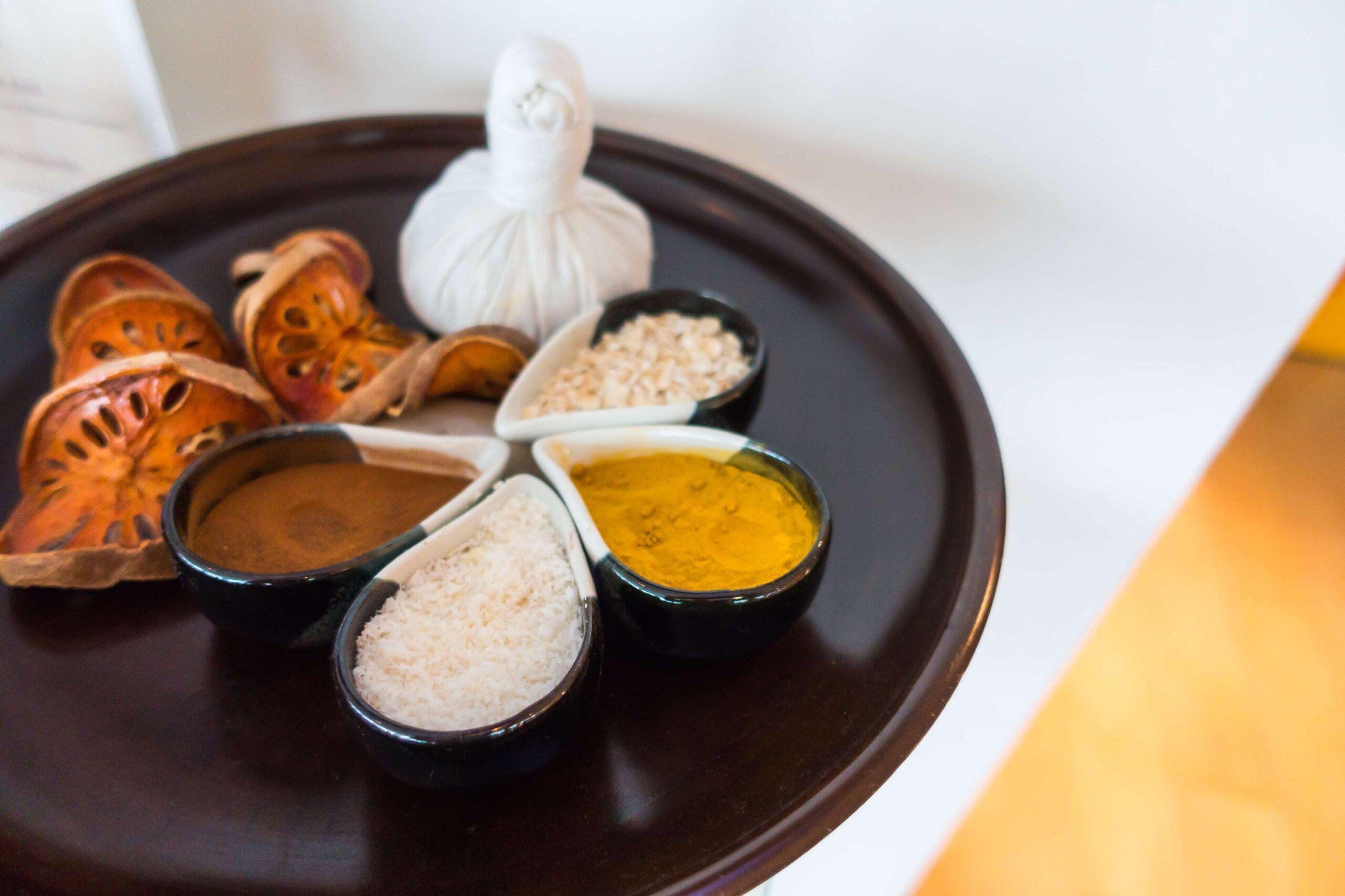
Classical sesame based oils are usual. Ksheerabala and Dhanwantharam are common for the head and back, Murivenna is a coconut based Kerala oil often chosen for joints, and Sahacharadi is traditional for the lower back and legs. The practitioner selects one for you.
After your session
- Keep the area covered and warm for a couple of hours
- Skip heavy lifting and hard exercise for the day
- After Shiro Pichu, leave the oil in for a while, then wash with mild shampoo
How often
The traditional pattern is a daily session for seven days, sometimes extended to fourteen at the practitioner's suggestion. Many guests also add a single Pichu to a massage visit when one area feels stiff.
Frequently Asked Questions
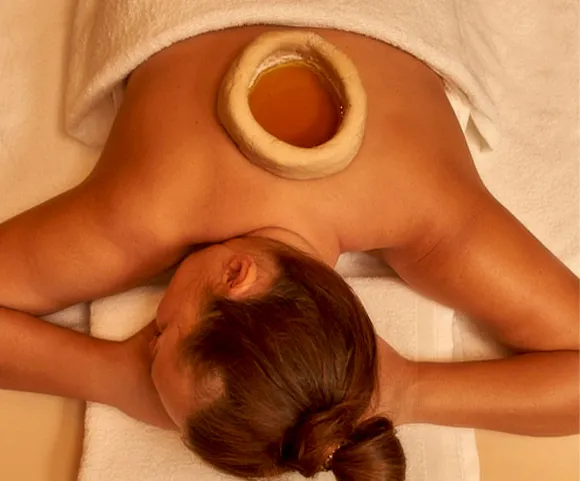
Both keep warm oil on one area. Kati Vasti holds a pool of oil inside a ring of dough. Pichu uses a soaked cotton pad, which is quicker to set up, uses less oil and fits curved areas such as the neck.
It can. Medicated oils are dark and can mark light fabric. Towels protect your clothes and the area is wiped afterwards, but wear dark, loose clothing you do not mind getting oily.
Warm, a little heavy and very still. There is no rubbing. Most guests describe a slow spreading warmth under the pad. If the oil feels too hot, tell the therapist and it will be cooled.
Yes. It is commonly added after Abhyangam or Sweda with Kizhi, when the muscles are already warm. Shiro Pichu is often taken alongside a head massage. The practitioner will advise on the order.
Have a question we have not covered? Send it to the front desk.