Ayurvedic Face and Skin Therapies: Mukhabhyangam and Herbal Packs
What skin and hair rituals does an Ayurvedic clinic in Dubai offer?
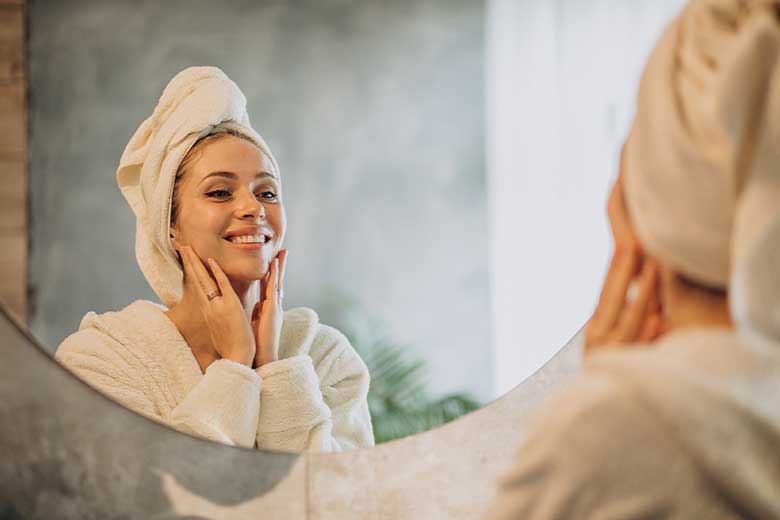
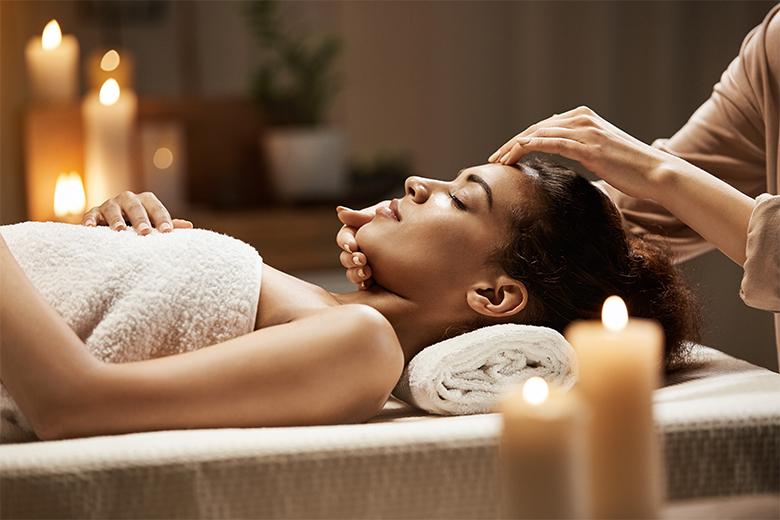
In an Ayurvedic facial, called Mukhabhyangam, you are first asked about your skin and allergies. Warm herbal oil is then massaged over the face, neck and upper chest with slow upward strokes. Light pressure is put on marma points, a herbal pack usually goes on, and you rest. Nothing is steamed or extracted. We promise no result for the skin.
An Ayurvedic facial is a slow oil massage of the face, neck and upper chest. A herbal pack usually follows and stays on while you rest. Its Sanskrit name is Mukhabhyangam. Nothing is steamed, extracted or peeled, and no machine is used. Below we walk through one session at 22 Ayur in Jumeirah, from the first questions to the evening after.
What should you do before you come?
There is little to prepare. It helps to arrive without make up, though it is not essential, because the face is wiped clean before the oil goes on. If you wear contact lenses, you may prefer to take them out. A little oil may reach the hairline, so bring a clip or band if you are going on somewhere.
If the same visit includes a head massage or a full body oil massage, the face is done last.
On arrival: a few questions
You are asked whether your skin runs dry or oily and whether you have any allergy. The practitioner then decides on the oil or cream, and it is warmed slightly. The oil may be Kumkumadi, which is saffron in a sesame base, or Eladi or Nalpamaradi.
Say what you put on your skin as well. List your creams, above all steroid creams and retinoids, and any tablets from a dermatologist. Name every allergy, including nuts, seeds and herbs.
The NHS page on complementary therapies says to tell your therapist about any medical conditions, medicines or other treatments. It also says to tell your doctor about any complementary therapy you use.
On the table: oil and massage
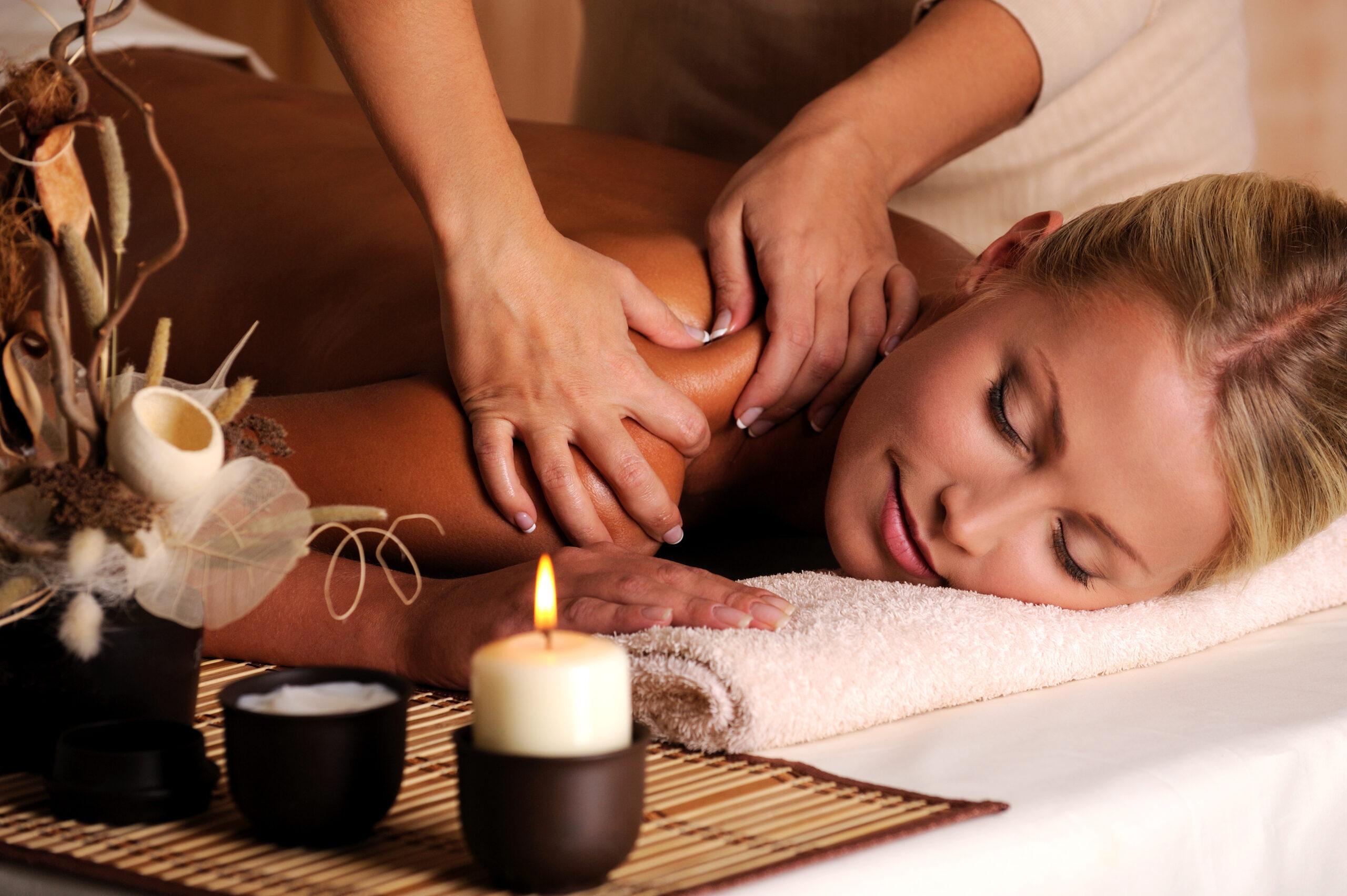
You lie on your back and your face is wiped clean. A small amount of warm oil is spread from the upper chest to the forehead.
The strokes are slow, and they move upward and outward from the chin towards the temples. The therapist works along the jaw, makes small circles on the cheeks and draws long sweeps across the brow. The neck and upper chest are part of the massage.
Mukha means face, and abhyanga is oiling with massage. The WHO standard terminology for Ayurveda defines abhyanga as the application of oil to the body, both as therapy and for general wellbeing.
What are marma points, and why is the touch light?
Partway through, the therapist rests the fingertips on a few fixed places: the eyebrows, the temples, the cheekbones and the hinge of the jaw. These are marma points.
The Sushruta Samhita (Sharirasthana 6) counts 107 marmas in the body and places 37 of them in the neck and above. It describes a marma as a meeting place of muscle, vessel, ligament, bone and joint. The WHO terminology gives the meaning as a vulnerable location.
The pressure on these points is light. Tell the therapist if one feels tender.
The herbal pack and the rest
After the massage a herbal pack usually goes on. It stays in place while you lie with your eyes closed. Then it is removed, and your face is wiped clean before you sit up.
Ayurveda's word for a paste spread on the skin is lepa. The Sushruta Samhita (Sutrasthana 18) names three kinds: one applied thin and cold, one that may be thick or warm, and one between the two. It adds that a paste which has dried on the skin is of no use and is removed.
The Ashtanga Hridaya (Sutrasthana 22) describes packs made for the face, called mukhalepa. It gives three kinds: one chosen for the dosha, one for poison and one for complexion. The chapter also says when to leave a face pack off, and its list includes a head cold, indigestion and sleeplessness.
What should you do for the rest of the day?
Extra oil is wiped away before you leave, and a trace stays on the skin. Hold off make up until the evening if you can. Wash with lukewarm water and a mild cleanser, and use no scrubs or strong products for the rest of the day.
The session can be booked once every two to four weeks.
What changes in a Soundarya Vardhini session?
Soundarya Vardhini is a layered session in four stages. Soundarya means beauty, and vardhini means something that adds to it.
- A herbal scrub comes first. A fine powder of herbs and flour is mixed with liquid, worked in small circles and wiped away with a damp cloth.
- A herbal paste follows. It goes on in an even layer, feels cool, and firms as it settles. It is removed before it dries hard.
- The face massage is next. Warm oil is worked over the face and neck with upward strokes. This is the longest and quietest stage.
- A mask goes on last, and you rest while it sits.
The herbs may include sandalwood, vetiver, liquorice, manjishtha, turmeric and rose petals. They are ground fine and bound with gram flour, milk or rose water. Turmeric and manjishtha can leave a faint tint that washes off within a day, so wear a dark or old top.
For sensitive skin the scrub is made finer or left out, and a patch can be tried on the inner arm first. If you have a beard, the scrub, paste and mask are kept to the skin around it. Afterwards, skip scrubs, acids and retinol for a day or two, and use sun protection if you are outdoors the next day.
How are the body packs different?
Two other therapies use a paste, on the body and not on the face.
Shashtika Lepam uses Shashtika rice, which ripens in about sixty days and is called Navara in Kerala. The rice is boiled soft in cow's milk and a decoction of Bala root, then mashed to a thick paste. After a light oiling, the therapist spreads it warm over the limbs, back and front by hand. It is kept moist and is scraped and wiped away before it can dry.
Kaya Lepan is a body wrap. Ground herbs are mixed with a fine clay called Multani mitti, or fuller's earth, and a warm liquid. The paste is spread from the shoulders to the feet and a covering is folded round you. Your face stays uncovered throughout, and the wrap is opened before the paste dries hard.
Each has its own reasons to wait. A milk allergy rules out Shashtika Lepam. The wrap is warm, so with heart trouble or high blood pressure, speak to your doctor and the practitioner first.
What will a facial not do?
We do not promise a result for your skin. This is a massage and a pack. It is not care for acne, eczema or any other skin condition, and we make no claim that it changes how old your skin looks.
The classical texts do speak of complexion, as the Ashtanga Hridaya does above. They handle skin disease as a separate subject. The Charaka Samhita (Chikitsasthana 7) groups skin diseases under the name kushtha and counts eighteen kinds. It says they involve all three doshas together with skin, blood, muscle and body fluid.
We know of no clinical trial of Mukhabhyangam or of these herbal packs. The NCCIH page on massage therapy, from the US National Institutes of Health, rates the risk of harm from massage as low. It also says not to use massage to put off seeing a health care provider about a medical problem.
Who should wait or see a doctor first?
Put the session off, or ask first, if any of these apply:
- The skin of your face is broken, sunburnt or irritated.
- You have a cold sore, or any infection on the face or round the eyes.
- Your face is freshly waxed. Before Soundarya Vardhini, leave a few days.
- You have had a peel, laser or injectable recently. Ask the provider who did it.
- You are allergic to nuts, seeds or a herb. For Soundarya Vardhini, add milk and gram flour to that list.
Spots that trouble you belong with a doctor. The NHS advice on acne is to see a doctor if home care has not helped. The same applies to many spots, or to spots that are deep, painful or leave scars. Hot, swollen skin can mean infection, and the NHS notes that redness is harder to see on brown and black skin.
The NHS page on atopic eczema lists signs that need urgent medical advice: eczema that is blistered, crusty or leaking fluid, or that turns painful, swollen or warm. Our skin concerns page adds two of our own: a rash that comes with fever, and a mole that has changed shape or colour. A medical doctor should see either before any herbal therapy.
Booking a facial at 22 Ayur
22 Ayur is a DHA licensed Ayurvedic clinic on Al Mina Road in Jumeirah, near Port Rashid. Our therapists trained in Kerala, and female therapists are available on request. If you have a skin complaint as well, start with an Ayurveda consultation with Dr Thasni, our medical director. Our guide to a first Ayurvedic consultation explains what happens there.
We are closed on Mondays, and open from 10:00 to 21:30 Tuesday to Friday and from 09:00 to 21:30 on Saturday and Sunday. You can book by WhatsApp or phone from our contact page.
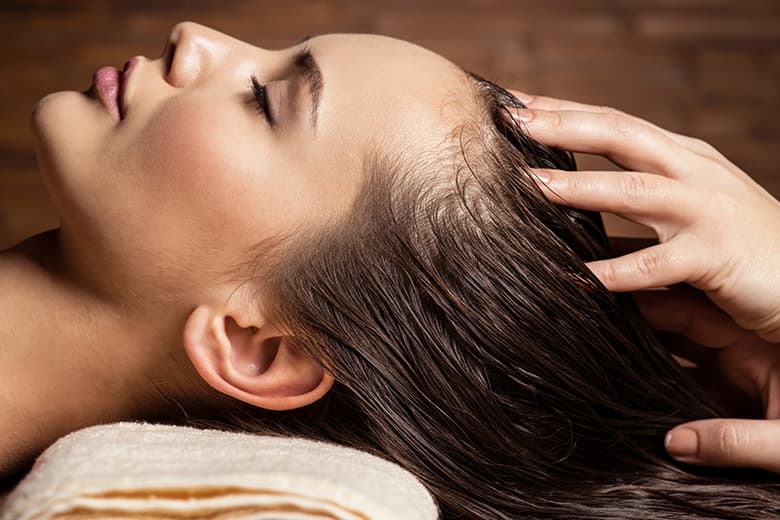
For the body, our article on Ayurvedic scrubs compares Udvarthanam, Garshan and ubtan. For the scalp, see Ayurvedic hair and scalp care.
Questions people ask
Does an Ayurvedic facial include steam or extraction?
No. Mukhabhyangam is done by hand with warm oil or cream, and a herbal pack usually follows. Nothing is steamed, squeezed, extracted or peeled, and no machine is used. If you want a scrub stage as well, Soundarya Vardhini adds a fine herbal one before the paste and the massage.
How often do people book Mukhabhyangam?
Mukhabhyangam can be booked once every two to four weeks. Soundarya Vardhini can be taken now and then, for example before an event. Leave a few days after waxing before Soundarya Vardhini. Ask your provider first if you have had a peel or laser.
Can men have an Ayurvedic facial?
Yes for Soundarya Vardhini, where the session is the same for men and women. If you have a beard, the scrub, paste and mask are kept to the skin around it and the massage is adapted. For Mukhabhyangam, ask when you book.
Can I have a facial if I have acne?
Ask before you book. Broken, irritated or infected skin on the face is a reason to wait. The NHS advises people with acne not to scrub, pick or squeeze, and to see a doctor about deep or painful spots. A facial is not acne care.
Can I go back to work straight after a facial?
Yes. Extra oil is wiped off before you leave, though a trace stays on the skin. It is better to leave make up off until the evening. After Soundarya Vardhini a faint tint from turmeric or manjishtha may show, and it washes off within a day.
Sources
- Herbal medicines and complementary therapies. NHS, 2026.
- WHO international standard terminologies on Ayurveda. World Health Organization, 2022.
- Sushruta Samhita, Sharirasthana 6 (Pratyeka Marma Nirdesha). Wisdom Library, text of K. K. L. Bhishagratna's English translation.
- Sushruta Samhita, Sutrasthana 18 (Vranalepana Bandha Vidhi). Wisdom Library, text of K. K. L. Bhishagratna's English translation.
- Ashtanga Hridaya, Sutrasthana 22 (Gandushadi Vidhi), PDF pages 367 to 370. Verse markers 26 to 33 are legible on these pages. Chaukhamba Surbharati Prakashan, Varanasi; PDF hosted by Karnataka Samskrit University.
- Charaka Samhita, Chikitsasthana 7 (Kushtha Chikitsa), verses 4 to 13, 31 to 43. Charak Samhita Research, Training and Development Centre.
- Massage Therapy: What You Need To Know. National Center for Complementary and Integrative Health, US National Institutes of Health, 2019.
- Acne. NHS, 2026.
- Atopic eczema. NHS, 2024.
“Ayurvedic Face and Skin Therapies: Mukhabhyangam and Herbal Packs” was written by the 22 Ayur clinic team. It was published and last updated . It describes traditional practice and is not medical advice. For advice on your own situation, an Ayurveda consultation at 22 Ayur is with Dr Thasni, the clinic’s medical director, who is licensed by the Dubai Health Authority as an Ayurveda Practitioner. How we review content.
Related care at 22 Ayur
- Mukhabhyangam (Ayurvedic Facial)
A hand massage of the face, neck and upper chest with warm herbal oil, usually finished with a herbal face pack.
- Soundarya Vardhini
A layered skin care session: a fine herbal scrub, a herbal paste, a face massage with oil and a mask to finish.