Beauty & Hair Care
Shashtika Lepam
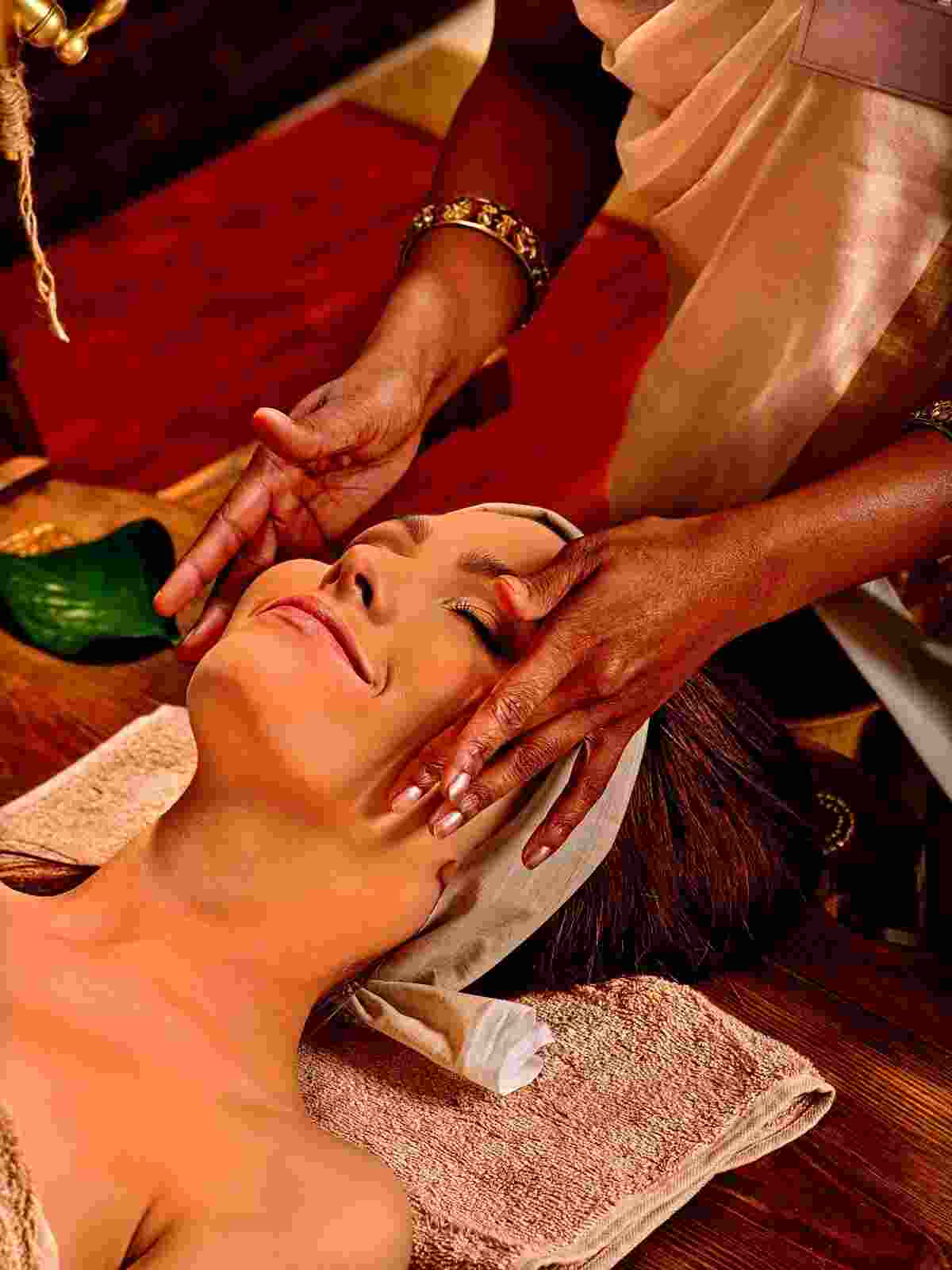
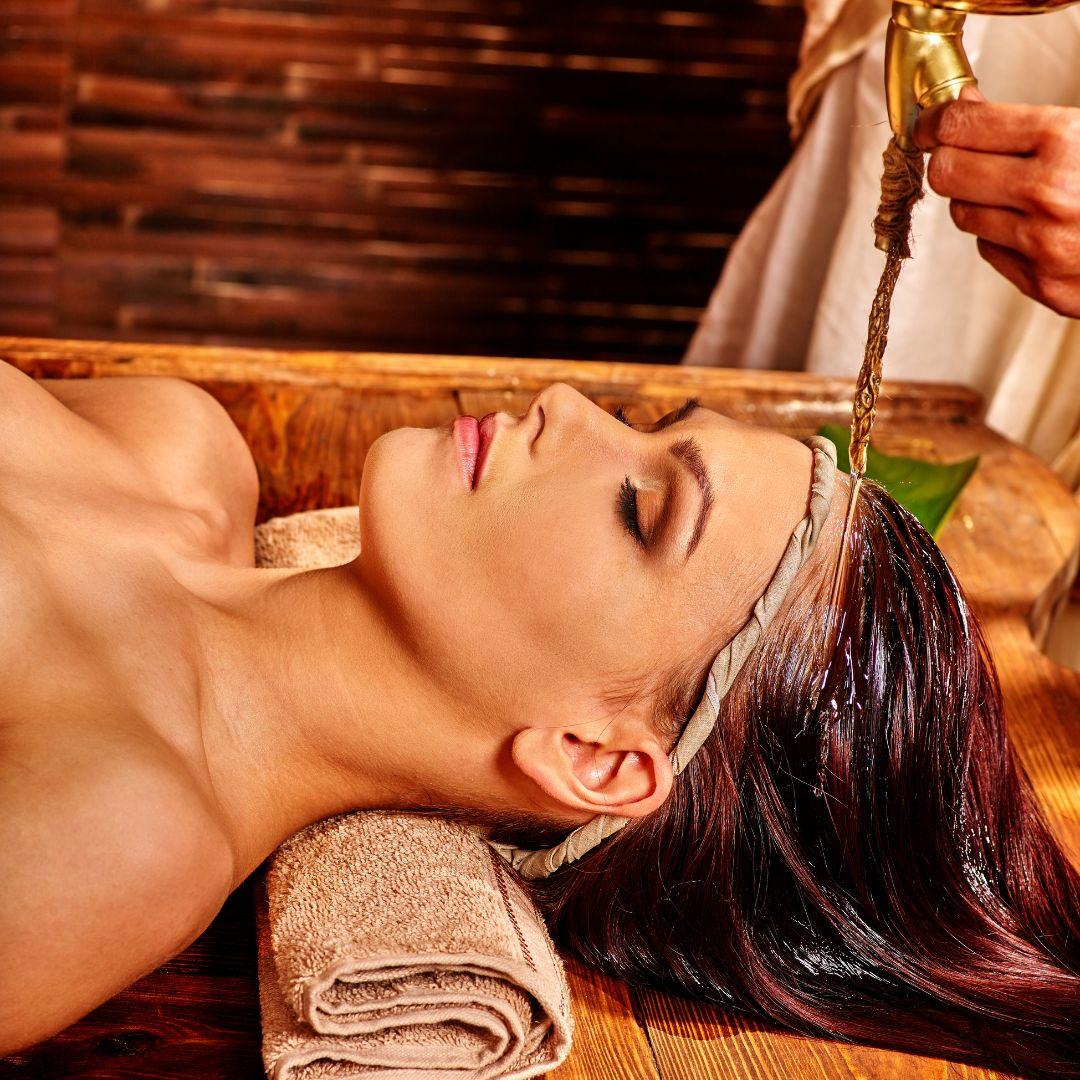
Navara rice is cooked soft in milk and a herbal decoction, mashed to a paste and spread warm over the oiled body.
Shashtika Lepam
Shashtika Lepam uses cooked rice as a body paste. Shashtika is the Sanskrit name for a rice that ripens in about sixty days; in Kerala it is called Navara or Njavara. The rice is boiled until soft in milk and a herbal decoction, then mashed into a thick, creamy paste. Lepam simply means an application that is spread over the skin.
The same rice is the heart of a better known Kerala therapy, Navarakizhi, where it is tied into cloth bundles and pressed along the body. In Shashtika Lepam there are no bundles. The warm paste is smoothed straight on to the skin by hand, which makes it the gentler of the two. Ayurveda classes this rice as brimhana, a word for things it regards as nourishing.
The paste feels warm, soft and slightly heavy, much like a thick porridge, and it cools slowly as it sits. At 22 Ayur the therapy is given by trained Ayurvedic therapists, and the practitioner will ask about your health beforehand. Like all traditional therapies, it does not take the place of medical care. Tell us about any milk allergy before you book.
Key Benefits
Made from freshly cooked Navara rice, milk and herbs
Warm and soft, with almost no pressure
Traditionally chosen when Ayurveda considers Vata to be raised
People usually book it when the skin feels dry and the body feels worn out
Leaves the skin smooth to the touch once the paste is cleaned off
What happens during Shashtika Lepam
- 1
Preparation
The practitioner asks about your health and any food allergy. The rice is cooked in milk and herbal decoction ahead of the session and kept warm, so the paste is ready when you are.
- 2
Light oiling
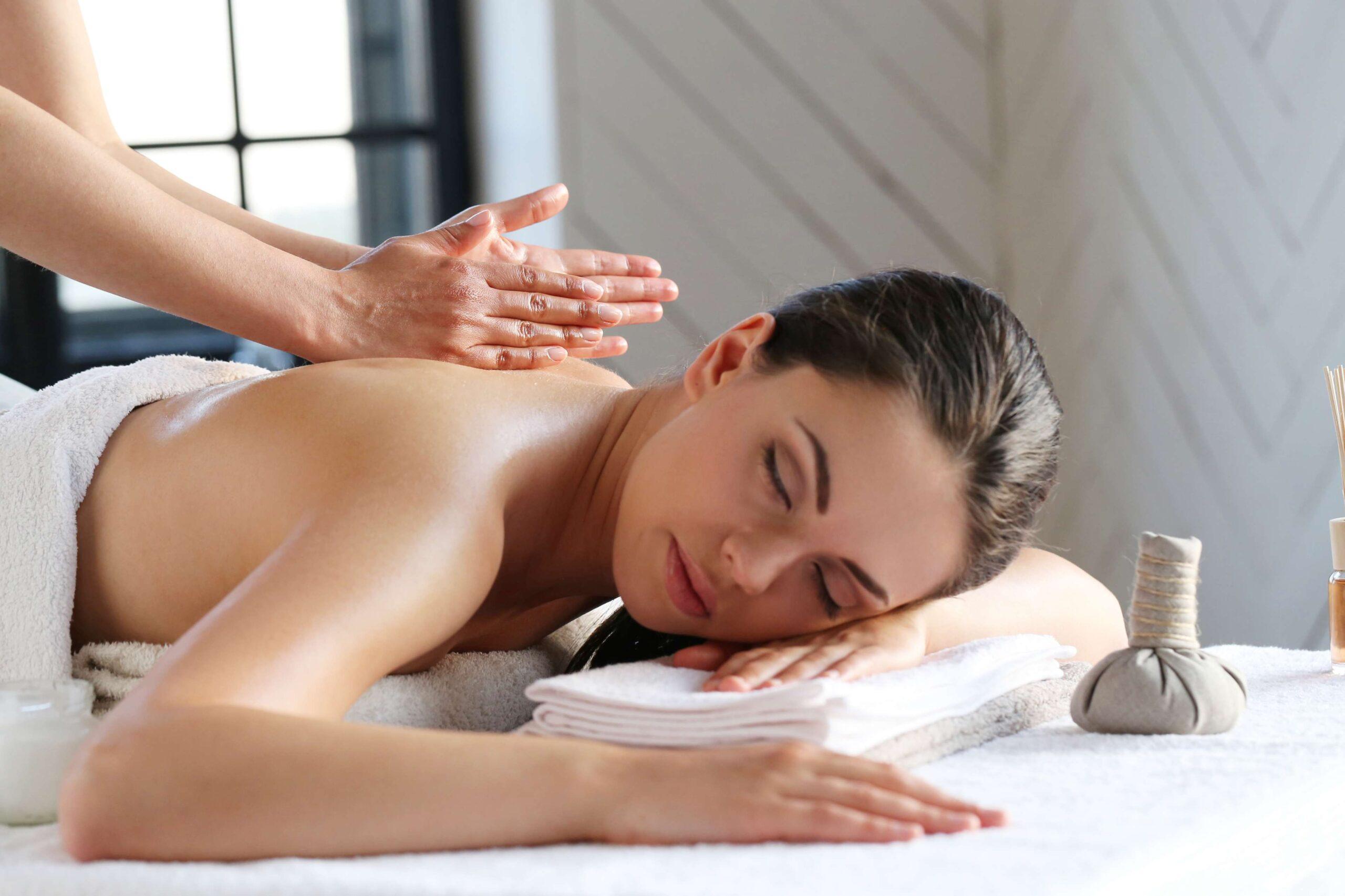
You lie on the treatment table and a thin coat of warm oil is applied over the body. This lets the paste glide and makes it easier to remove later.
- 3
Applying the paste
The therapists take the warm rice paste in their hands and spread it over the limbs, back and front in slow, even strokes. The temperature is checked on your skin before the first handful.
- 4
Resting with the paste
You lie still while the paste sits on the skin and gradually loses its heat. The layer stays moist and is not left to dry out.
- 5
Removal and oil
The paste is scraped and wiped away, the skin is cleaned, and a little oil is often applied again. You rest briefly before you dress.
Who usually books it
- People whose skin feels dry and rough
- Guests who feel run down and want warmth without firm pressure
- Anyone who has tried Navarakizhi and wants the gentler form
When to wait or ask first
- Fever, a cold or indigestion on the day
- Open cuts, a skin infection or sunburn
- A milk allergy: the paste is cooked in milk and stays on the skin
- Pregnancy: ask the practitioner before booking
Oils and herbs
The paste is Navara rice cooked in cow's milk with a decoction of Bala root (Sida cordifolia). This is the classical recipe, shared with Navarakizhi. The oil used before and after is usually a sesame based classical oil such as Ksheerabala, chosen by the practitioner.
After your session
- Keep warm and stay out of cold draughts for an hour or two
- Have a warm, light meal afterwards
- Take a quiet evening and leave exercise until the next day
- Wash with lukewarm water later
How often
In Kerala practice it is usually given as a course on consecutive days, often seven or fourteen, after a few days of oil massage. Single sessions are possible.
Frequently Asked Questions
Navara, or Shashtika in Sanskrit, is a rice variety grown mainly in Kerala. It ripens in roughly sixty days, which is where the Sanskrit name comes from. Ayurveda uses it both as food and in external therapies such as this one and Navarakizhi.
A little, since the paste is wet and sticky. The therapists apply it and clean it off for you on the table. Wear something old or loose that is easy to change into afterwards.
Both use the same cooked rice. In Navarakizhi the rice is tied in cloth bundles, dipped in warm herbal milk and rubbed along the body. In Shashtika Lepam the rice is spread directly on the skin and left to sit.
Lactose intolerance concerns digestion, and the milk here stays on the skin. A true milk allergy is different: if you have one, please do not book this therapy and ask the practitioner for an alternative.
Have a question we have not covered? Send it to the front desk.