Ayurvedic Treatments
Dhoomapanam
Smoke from a slowly burning herbal wick is drawn in through the nose in a few short, guided breaths and let out through the mouth.
Dhoomapanam
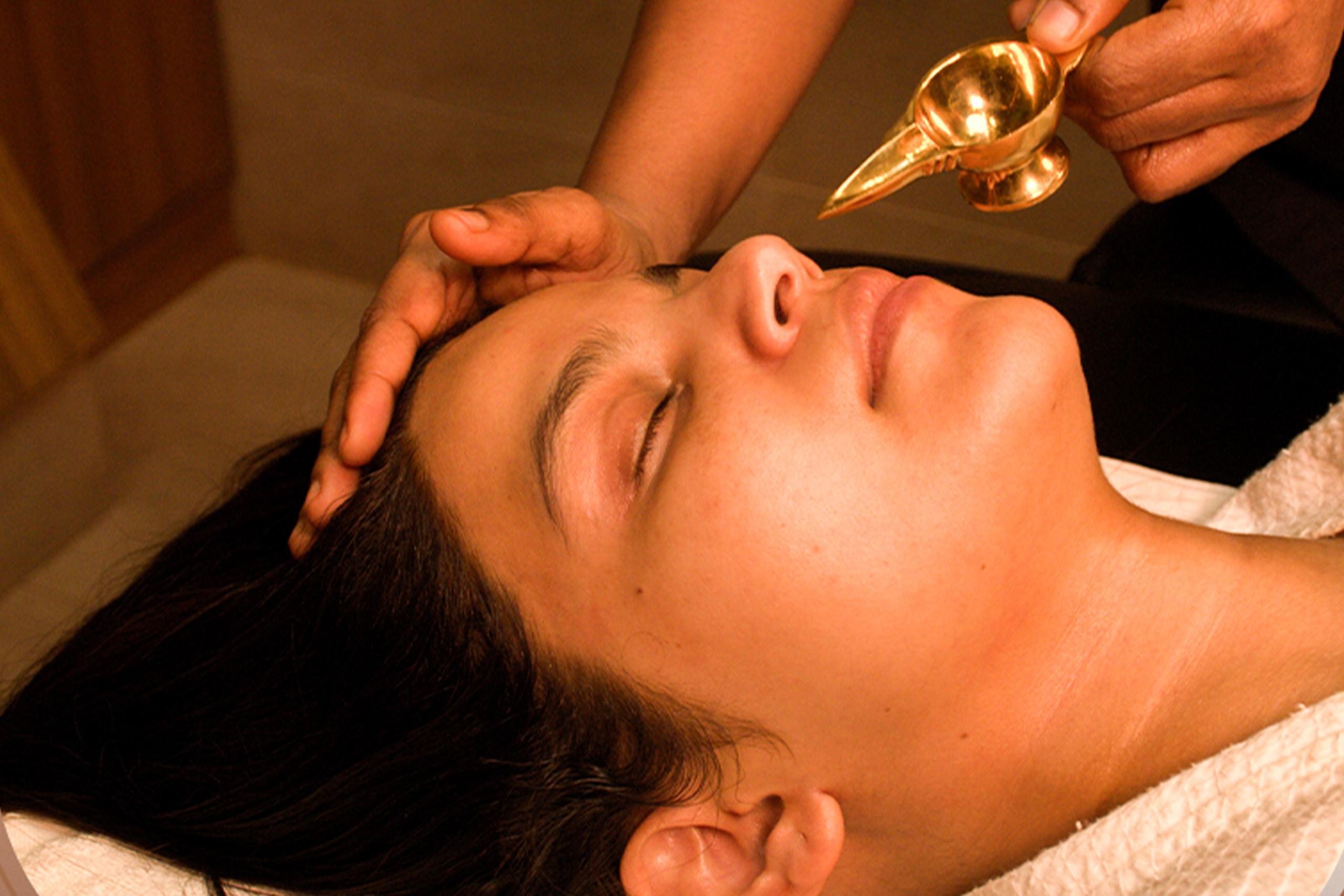
Dhoomapanam is a classical inhalation therapy. Dhooma is smoke and pana is taking in. A wick made of powdered herbs is lit so that it smoulders, and the smoke is drawn in through a short tube in a small number of guided breaths. The classical rule is to breathe out through the mouth each time, never back through the nose.
Charaka, Sushruta and the Ashtanga Hridaya all describe it, grading the smoke as mild, medium or sharp according to the herbs. In the classical sequence it follows Nasyam, the nasal oil therapy, as a closing step. Ayurveda traditionally uses it when Kapha is considered raised in the head and throat, which the tradition links with a sense of heaviness and dullness there.
It is brief, and it is smoke. Not everyone should inhale smoke of any kind, so at 22 Ayur the practitioner asks about your health, your lungs and your breathing first, and may advise against it. The therapy is given by trained Ayurvedic therapists. It is a traditional practice and does not replace medical care for any nose, throat or chest complaint.
Key Benefits
A short classical therapy, only a few breaths long
Traditionally used when Ayurveda considers Kapha to be raised in the head
The classical step that follows Nasyam
People usually ask for it when the head feels heavy and dull
Guided breath by breath by the therapist
What happens during Dhoomapanam
- 1
Suitability check
The practitioner asks about your breathing, any lung or heart condition, allergies, pregnancy and whether you smoke. If there is any doubt, Dhoomapanam is left out and another therapy is suggested.
- 2
The wick is lit
You sit upright. A dried herbal wick is lit at one end and allowed to smoulder without a flame. It is held at the far end of a short tube so the smoke cools slightly before it reaches you.
- 3
Guided breaths
With one nostril closed, you draw a small breath of smoke in through the other and breathe out through the mouth. This is repeated a few times on each side, with pauses. You can stop at any moment.
- 4
Rinse and rest
You rinse the mouth with warm water, sit quietly and breathe normally for a few minutes. The therapist checks that you feel steady before you stand.
Who usually books it
- Adults taking Nasyam who want the full classical sequence
- People whose head and throat feel heavy, on a practitioner's advice
- Guests comfortable with the smell of burning herbs
Often chosen for
Our practitioners draw on Dhoomapanam in plans for these concerns. Each page explains the approach and what it can and cannot do.
When to wait or ask first
- Any lung or breathing condition, or a current cough or chest infection
- Pregnancy, and children
- Heart conditions, nosebleeds, or a very dry, sore throat
- Fever, or just after a heavy meal or alcohol
Oils and herbs
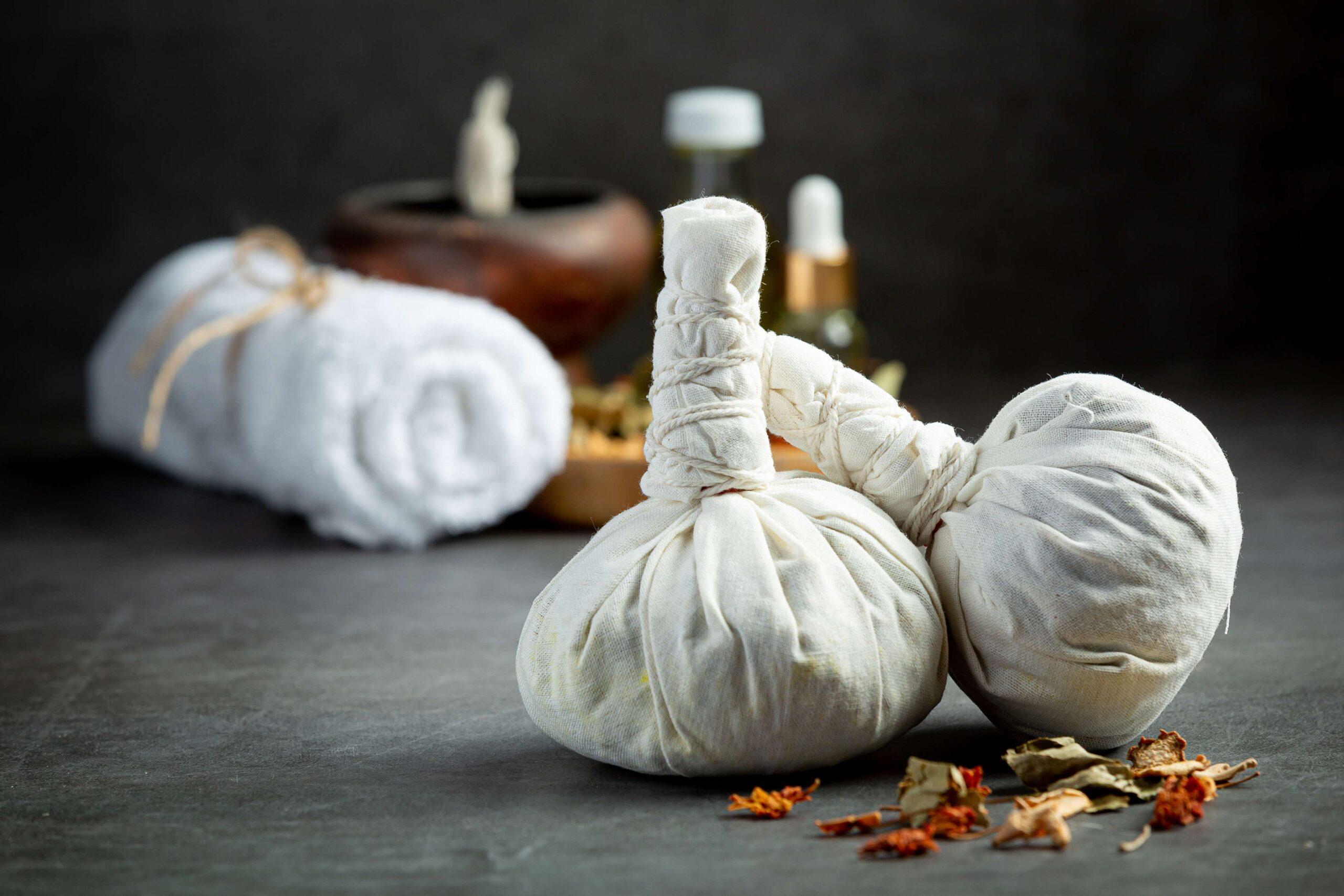
The wick, called a dhooma varti, is traditionally made by coating a reed with a paste of powdered herbs, drying it and drawing the reed out. Turmeric, guggulu resin, vacha (sweet flag) and agaru (eaglewood) are classical ingredients, often bound with a little ghee.
After your session
- Sip warm water; avoid cold drinks for a few hours
- Do not smoke tobacco or shisha that day
- Tell us straight away if you feel dizzy, tight in the chest or start coughing
How often
Classically it is given once after each Nasyam session during a short course, so its frequency follows that plan. It is not normally taken daily long term, and the practitioner decides whether to include it at all.
Frequently Asked Questions
No, but it is still smoke. The wick contains herbs, not tobacco, and only a few small guided breaths are taken. We do not claim that herbal smoke is harmless, and the practitioner may advise you to skip it.
The smoke smells woody and resinous, a little like incense. In the nose it feels warm and slightly sharp. Some people sneeze or their eyes water briefly. If it catches in the throat, you stop.
No, we do not say that. Ayurveda traditionally uses it when it considers Kapha to be raised in the head, but it is not a medical therapy for sinus, allergy or chest conditions. See a doctor for those.
A little, for a few hours, much as they would after sitting near incense. The amount of smoke is small and it does not stain. Bring a change of top if you are going on to a meeting.
Have a question we have not covered? Send it to the front desk.