Body & Bath
Turmeric Bath with Ubtan
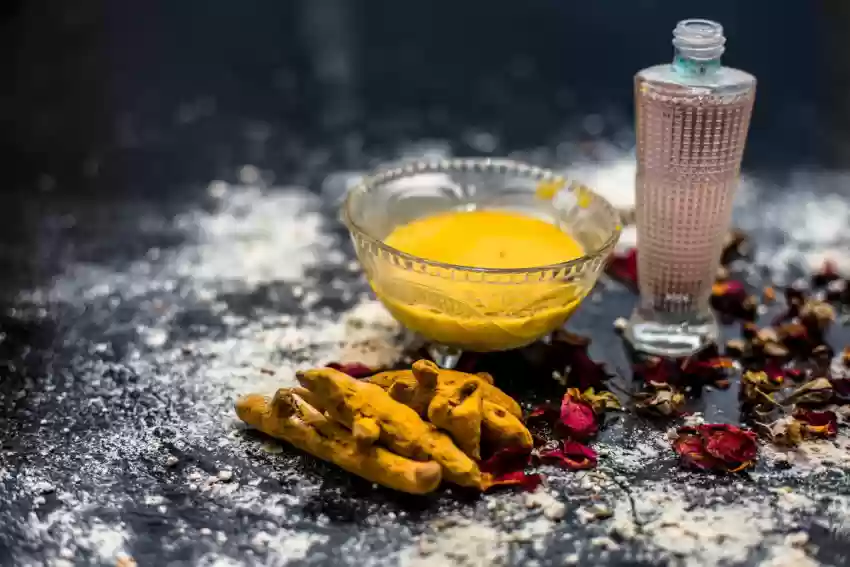
A paste of chickpea flour, turmeric, sandalwood and rose water is used as a body scrub, followed by a warm turmeric bath.
Turmeric Bath with Ubtan
What is Turmeric Bath with Ubtan?
The Turmeric Bath with Ubtan is a traditional Indian bathing ritual in two parts. First comes Ubtan, a paste of chickpea flour, turmeric, sandalwood and rose water. It is applied over the body and worked into the skin as a gentle scrub. Then comes the bath itself. You soak quietly in warm water infused with turmeric, saffron and aromatic herbs.
Turmeric is called Haridra in Sanskrit. Ubtan is a household tradition in India, and the recipe changes from family to family.
The paste is golden, slightly grainy and smells of sandalwood and spice. The bath that follows is warm and fragrant. The scrub and the bath are given by trained Ayurvedic therapists at 22 Ayur, once the practitioner has asked about your skin and health. Neither replaces medical care for a skin complaint.
Where does Turmeric Bath with Ubtan come from?
The classical texts describe a rub that resembles the scrub. Rubbing the body with powder is called udvartana. The Ashtanga Hridaya (Sutrasthana 2) describes it as a rub with fine powder against the lie of the hair, with firm pressure. The Sushruta Samhita (Chikitsasthana 24) says it cleans and smooths the skin. It adds that a bath takes away sweat and tiredness. Our Ubtan is a wet paste and the strokes are light, so it is a milder relative of that rub.
Turmeric belongs to the ginger family. The US National Center for Complementary and Integrative Health (NCCIH) notes its long use in Ayurveda. The same page says not enough is known to conclude that turmeric helps with any health purpose. A turmeric bath has not, to our knowledge, been tested in a clinical trial.
Key Benefits
Ubtan, a household scrub from India, then a warm bath
The grainy paste lifts oil and dead skin as it is rubbed off
Warm, spiced fragrance of turmeric and sandalwood
Skin feels smooth and clean after the scrub and soak
Often booked before a celebration or family occasion
What happens during Turmeric Bath with Ubtan?
- 1
Before you start
The therapist asks about your skin, any allergy to gram flour, turmeric, sandalwood or saffron, and any health condition. Mention recent shaving, waxing or sunburn, as a scrub can sting on freshly irritated skin.
- 2
Applying the Ubtan
The golden paste is spread over the body. It feels cool and slightly grainy at first. It smells of sandalwood and rose water.
- 3
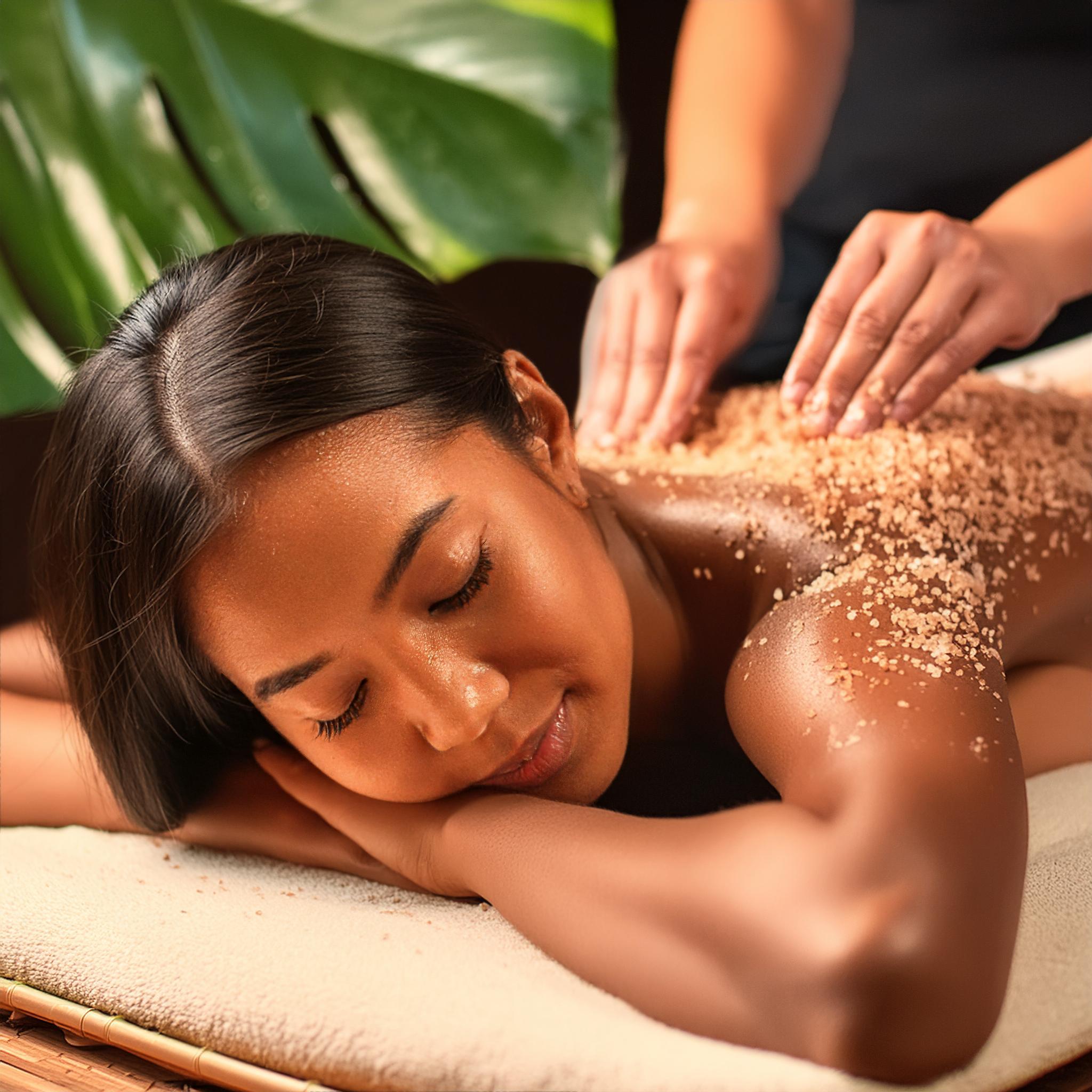
The scrub
The therapist works the paste into the skin with light, even strokes and then rubs it away. The pressure is gentle. Say so if any area feels tender and the therapist will ease off.
- 4
The turmeric bath
You step into a warm bath infused with turmeric, saffron and aromatic herbs and soak. There is nothing to do here but sit in the warm, fragrant water.
Who usually books Turmeric Bath with Ubtan?
- Guests preparing for a wedding, festival or family occasion
- People curious about traditional Indian bathing customs
- Anyone who prefers a scrub and soak to a massage
- Those who enjoy warm, spiced, earthy scents
What is Turmeric Bath with Ubtan often chosen for?
Turmeric Bath with Ubtan is often part of a plan for these concerns at 22 Ayur, and each concern page explains the approach and what it can and cannot do.
Read more about Turmeric Bath with Ubtan
When should you wait or ask before Turmeric Bath with Ubtan?
- Broken skin, sunburn, a rash or a skin infection: wait until it clears
- Skin shaved or waxed in the last day or two
- A known allergy to chickpea flour, turmeric, sandalwood or saffron
- Fever, feeling faint in warm water, pregnancy or a heart condition: ask your doctor and our practitioner first
Which oils and herbs are used in Turmeric Bath with Ubtan?
Ubtan is made from chickpea flour (besan), turmeric, sandalwood powder and rose water, mixed to a soft paste. The bath water is infused with turmeric, saffron and aromatic herbs. Turmeric gives both their deep yellow colour.
What should you do after Turmeric Bath with Ubtan?
- Wear older or darker clothes home, as turmeric can mark light fabric
- Skip soap for a few hours and let the skin settle
- Drink water after the warm soak
- Keep out of strong sun for the rest of the day
How often is Turmeric Bath with Ubtan done?
At the clinic it is booked now and then, or shortly before an occasion such as a wedding or a festival.
Turmeric Bath with Ubtan at 22 Ayur is given at a clinic licensed by the Dubai Health Authority, listed on the Dubai Medical Registry as 22 Ayurvedic Center LLC. A consultation before Turmeric Bath with Ubtan at 22 Ayur is with Dr Thasni, the clinic’s medical director, who is licensed by the Dubai Health Authority as an Ayurveda Practitioner. Turmeric Bath with Ubtan is traditional, supportive care and does not replace the advice of your doctor. This page on Turmeric Bath with Ubtan was written by the 22 Ayur clinic team, published and last updated . How we review content.
Frequently Asked Questions
Turmeric can leave a faint golden tint, more noticeable on lighter skin and on nails. It usually fades within a day with normal washing. It marks fabric more stubbornly than skin, so avoid wearing white or pale clothes home.
Ubtan is a traditional Indian body paste made from chickpea flour, turmeric, sandalwood powder and rose water. It is rubbed onto the skin and then rubbed off, which is how it cleans.
Yes. An oil massage can come first, with the scrub and bath afterwards, since Ubtan lifts oil from the skin. Ask when you book and the practitioner will advise on the order.
We make no claim about skin tone or any skin condition. This is a traditional scrub and bath that people book for the ritual, the scent and the clean feel afterwards. For a skin concern, see a doctor.
Have a question about Turmeric Bath with Ubtan we have not covered? Send it on WhatsApp.
Sources
- Ashtanga Hridaya, Sutrasthana 2 (Dinacharya), PDF pages 66 to 70. Legible. Chaukhamba Surbharati Prakashan, Varanasi; PDF hosted by Karnataka Samskrit University.
- Sushruta Samhita, Chikitsasthana 24. Wisdom Library, text of K. K. L. Bhishagratna's English translation.
- Turmeric. National Center for Complementary and Integrative Health, US National Institutes of Health, 2025.